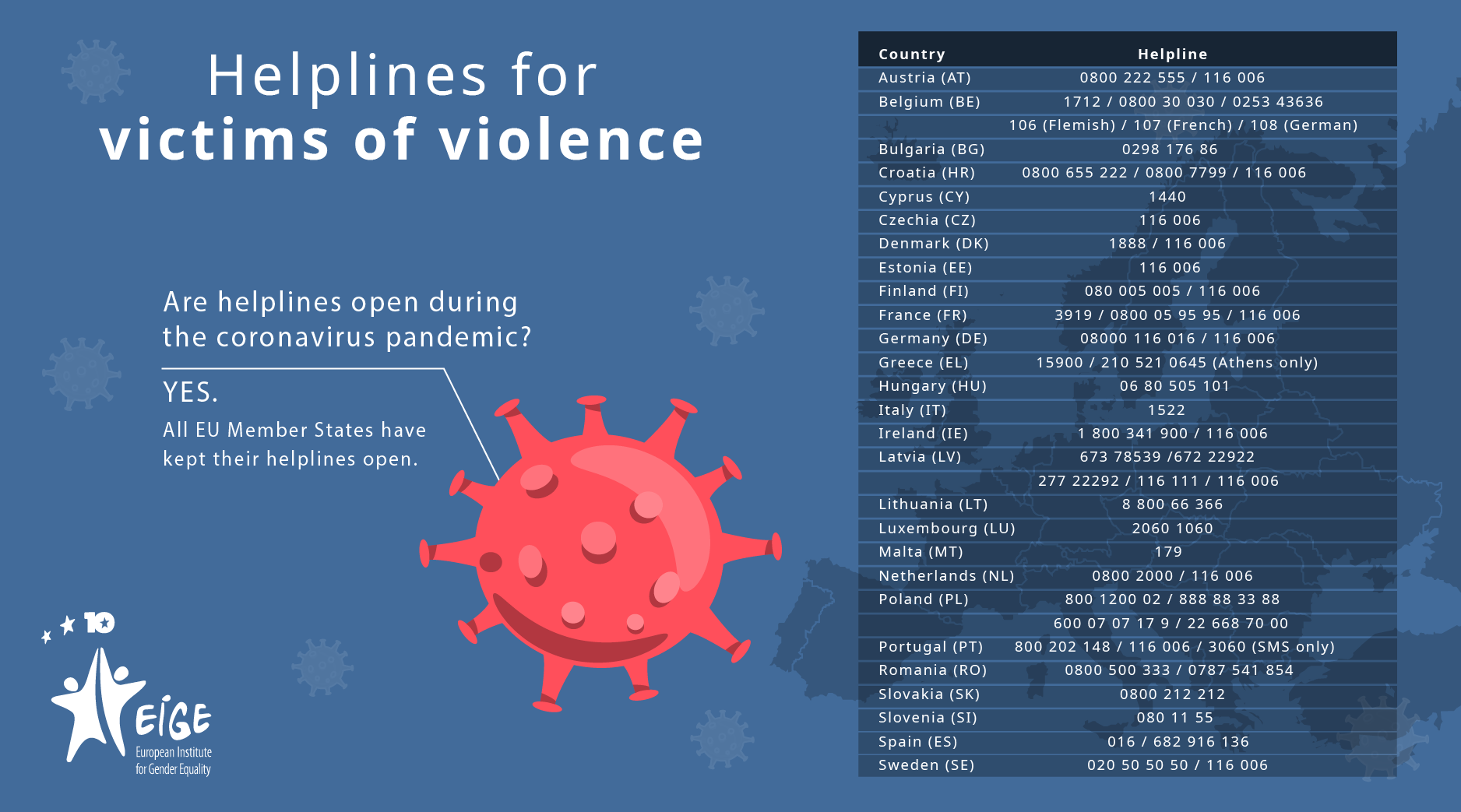
If you, or anyone near you, is in immediate danger or if you have any other kind of emergency, please call your national emergency number. The European emergency number is 112, it is accessible throughout the EU, free of charge.
For more information on 112 in your country, see: https://ec.europa.eu/digital-single-market/en/112-your-country and for a full list of national emergency numbers, see: https://en.wikipedia.org/wiki/List_of_emergency_telephone_numbers. In many countries, people can contact emergency services in a number of ways: by SMS or other text messages, smartphone applications, video calls with sign language, etc.
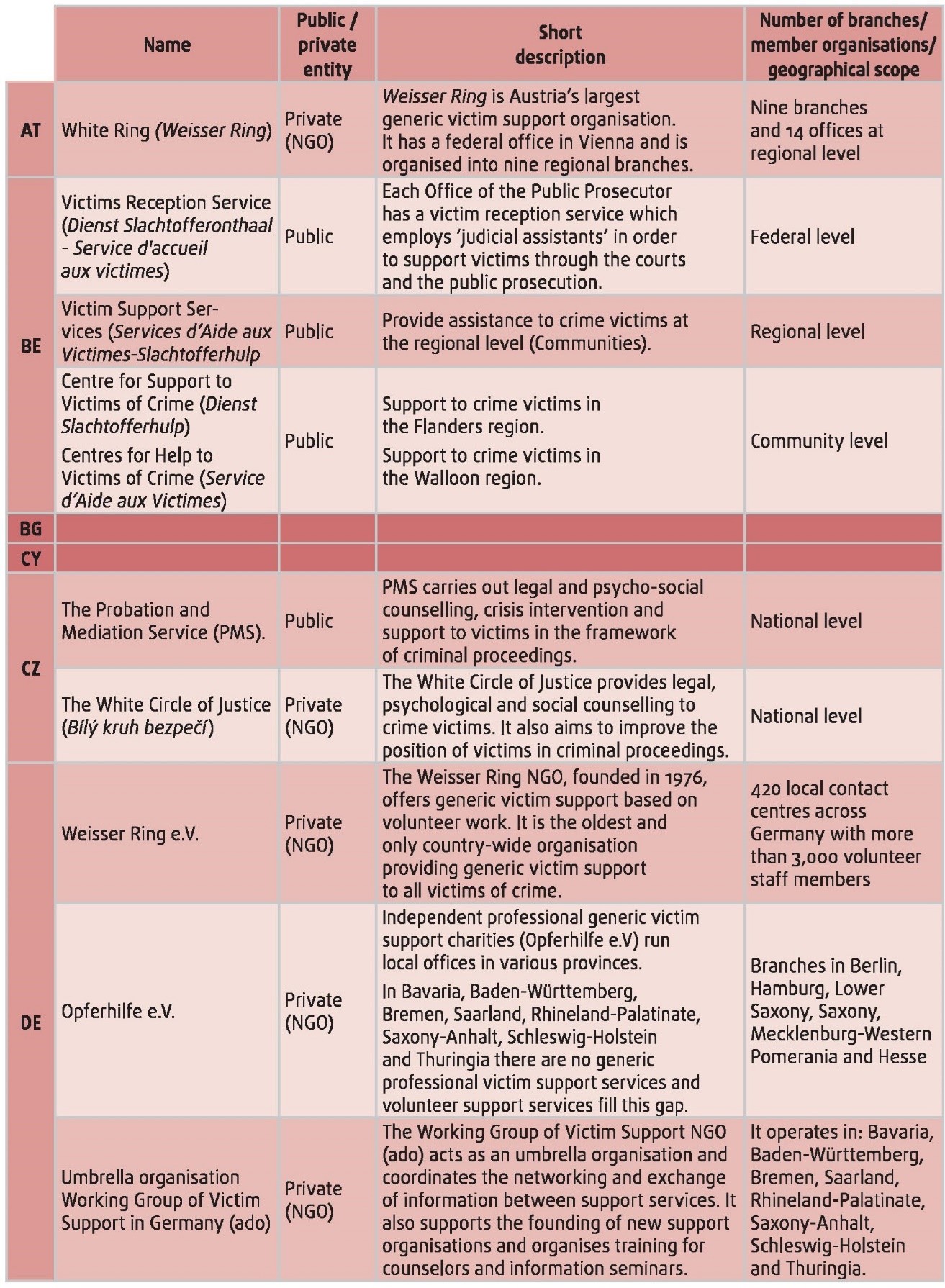
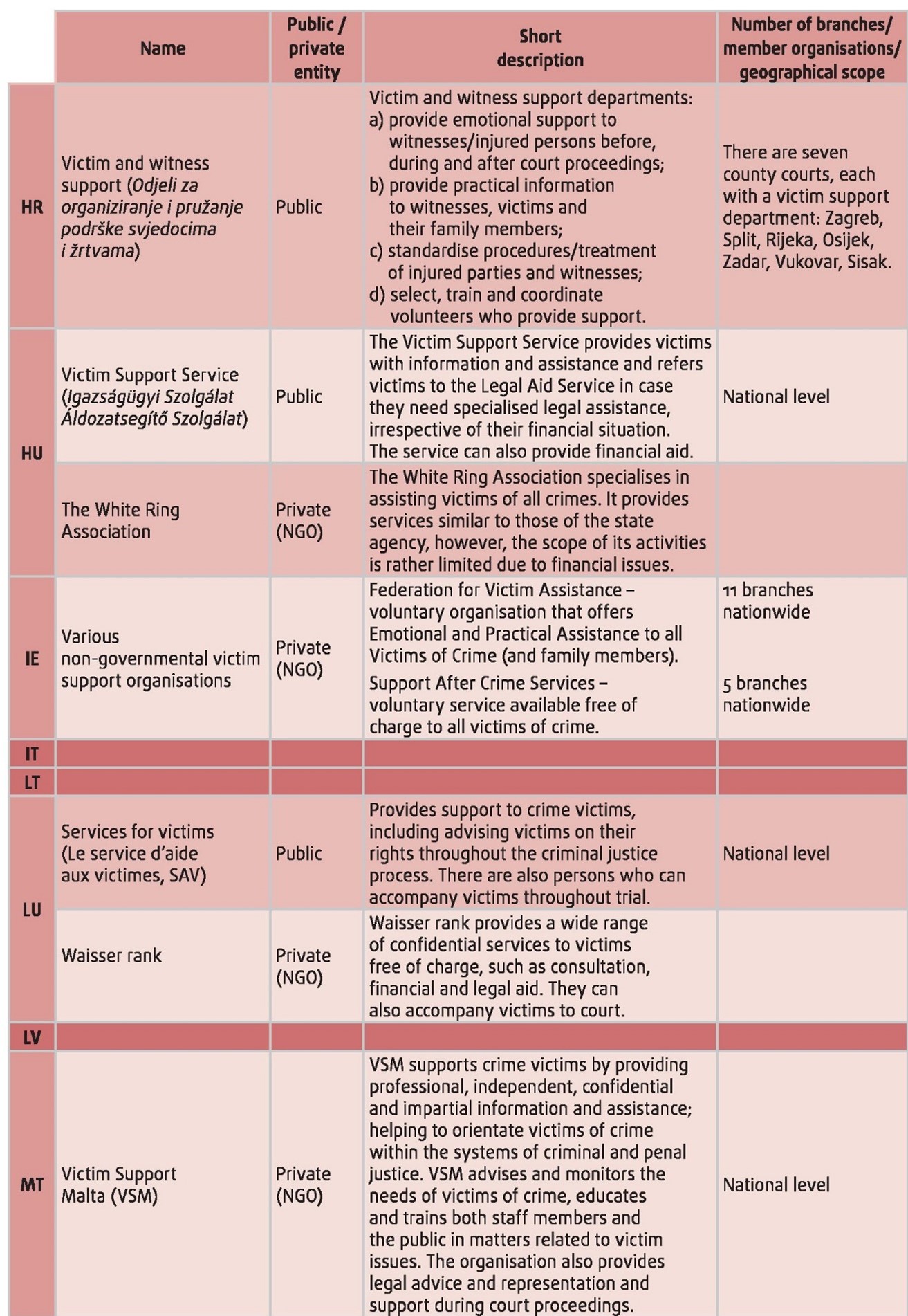
Whether you report a crime – or not – is up to you as a victim or a witness. (Please follow this link for information on any questions you may have). However, reporting a crime to the authorities will allow a victim access a wide array of legal rights and support services, and is good for society as a whole. If you do not report a crime, you are still able to receive help as most victim support organisations, around the European Union, provide emotional and psychological support even if there is no official report to the police. If you need to find a victim support organisation, please consult our interactive map:
Making an official complaint to the police allows you to access your rights to justice (such legal aid or legal support), receive compensation, provide you with protection, if required, and have all the information you need to make informed choices to help you get over your experience as a victim of a crime.
The quickest and easiest way to report a crime, in most cases, is by contacting the nearest police station. The police officers should be able to help you successfully submit an official complaint. There are, however, other ways to report a crime – depending on the country and the crime.
In the Netherlands, by answering questions on the police website, you will find how to report the crime, based on its type and circumstances: https://www.politie.nl/aangifte-of-melding-doen. This same system applies in the UK. In Belgium you can report a number of minor offences online, and in Portugal many crimes can be reported through the online complaint service. However, in most countries, you will need to report a crime at a police station.
There are certain types of crime that can be reported online no matter which Member State you are in cybercrime and illegal internet content.
When you do report a crime to the police, and depending on the country and its justice system, you may have a specific role to play: victim, witness, civil claimant, civil party, private prosecutor, etc.[2] These roles differ from one country to another, and some of them have rights attached to them that may be important later on in the justice process. Check with the police what roles exist in your country, you may also need to know about any deadlines that apply to submitting information about the crime. The police should provide this information to you, along with other information on your rights.
Once you have reported a crime, the legal authorities will work together to bring justice for you and any others involved. As part of this process, they may require your active cooperation until, and perhaps after, the end of the criminal proceedings if there is a prosecution. You will have an important role during this time and your assistance is very much appreciated.
The police will begin their investigation, to establish the evidence to bring the person, who committed the offence, to trial. If the person is prosecuted and found guilty, the judge will decide the appropriate penalty for the offender.
As a victim, you have legally guaranteed rights during the criminal proceedings, some of your rights may extend to your family members and relatives. The European Union has taken steps to guarantee a minimum set of rights and standards which Member States’ laws should comply with. These rights are contained in the Victims’ Rights Directive (2012/29/EU), but each Member State has different ways of applying the Directive in its laws and implementing the rights in practice.
The European e-Justice Portal has a list of factsheets, for each European Union Member State, with information on the rights of victims of crime during an investigation, criminal proceedings, and a trial as well as the support and help you can get in each country – and how to find it. The factsheets also outline the main elements and processes of the justice system of each country.
Please consult the country factsheets here: