

Sport isn’t some niche, radicalisation-prone pastime; it’s one of the main spaces where people socialise today. In certain contexts, it can become vulnerable to radicalisation, especially among young men. It should be understood and addressed in those terms.
Over the past few decades, it has become increasingly clear that sport is not a niche activity on the margins of youth culture in Europe – quite the opposite. Football alone remains by far the most popular organised sport across Europe, with UEFA reporting over 20 million registered players across its member associations, the vast majority of whom participate in amateur and grassroots clubs rather than elite competition. Around 90%+ are male, and the largest single group is boys in youth amateur clubs. In many countries (e.g. Germany, France, Netherlands, Belgium), football is consistently the number one participation sport among boys aged 6–18. At the same time, combat sports such as boxing, judo, karate, and increasingly mixed martial arts have seen sustained participation and growth, with European federations reporting hundreds of thousands to over a million practitioners depending on the discipline, again with a strong concentration among adolescent and young adult men.
Taken together, these numbers make it clear that football and martial arts aren’t niche subcultures at all — they’re a normal, everyday part of young people’s lives across Europe. For many, especially boys and young men in amateur and community clubs, they’re important spaces where they socialize, build identity, and form friendships.
But when people talk about sport in society, the conversation often gets stuck in extremes. It’s either treated as an unquestioned “force for good,” or reduced to a risk factor in debates about violence or extremism. The reality is more complicated than either of those views. On the ground, sport can be both things at once: a positive, protective environment, but also a space where identities, masculinity, and group dynamics can sometimes develop in more problematic ways depending on the context.
The connection between sport, violence, and extremism isn’t something new — it’s been around in different forms throughout history. If you go back to ancient Greece and Rome, for example, competitive sports were often linked to military training and seen almost as a preparation for war.
That idea became far more extreme in Nazi Germany, where sport was no longer valued just for health or competition, but was tightly controlled and used as part of a wider militarised and ideological system.
After World War II, the link between sport and right-wing extremist (RWE) ideas didn’t disappear entirely, although it became less formal and institutionalised. By the 1970s and 1980s, however, we start to see a more deliberate and organised use of sport by extremist and even terrorist groups across Europe.
What’s concerning is that this pattern is developing. One major trend identified in 2025 research is the growing use of combat sports, especially MMA and informal “fight clubs,” by violent right-wing extremist (VRWE) networks as spaces for recruitment, ideological socialisation, and militant training.
Football hooliganism also remains a major vector for extremist mobilisation in Europe. A 2025 academic review titled Extremism in European Football concluded that football fan environments continue to provide opportunities for collective displays of racism, neo-fascism, and political extremism under the cover of supporter culture. The study highlights how extremist identities are reinforced through fan groups, choreographies, chants, and organised violence across multiple European countries.
Concrete incidents in 2025 also illustrate how sport-related environments can spill over into extremist violence.
For example, in May 2025, extremist-linked football hooligans were involved in violent racist attacks in Brussels after the Belgian Cup Final. Journalist reports suggest that organised groups connected to far-right supporter networks entered the Molenbeek district armed with batons and went on to attack local residents, passers-by, and businesses. People on the ground described scenes of intimidation, including against women and elderly residents, and several shops were also vandalised.
From a prevention point of view, what makes this case especially concerning is that the violence didn’t stay within the football context. Instead, it spilled into everyday public space, where civilians unrelated to the match became the targets. It’s a clear example of how extremist supporter cultures can turn football-linked gatherings into opportunities for hate crime and collective intimidation.
Across Europe, prevention efforts also look at cases where some young men from migrant or socially excluded backgrounds may become vulnerable to Islamist extremist narratives through informal peer groups linked to local sport settings. In France, for example, 2025 programmes have continued training amateur sports clubs to spot early “weak signals” of concern, such as social withdrawal or noticeable behavioural changes.
Research presented in 2025 on “far-right physical culture” also shows how extremist sport networks promote an idealised form of “warrior masculinity” built around discipline, strength, fraternity, and male dominance. In this framing, feminism and gender equality are often portrayed as threats to traditional male identity, while fitness and combat sports are used to appeal to young men who are described as experiencing a “crisis of masculinity.” From a victim-support perspective, the concern is that this kind of radicalisation through sport doesn’t only feed political extremism — it can also reinforce misogyny, gender-based violence, harassment, and the normalisation of aggression toward women and gender minorities.
Radicalisation is always different for each person, with many different push and pull factors involved. But there are some factors that can make people more vulnerable to extremist groups in the context of sport. On the prevention side, a number of innovative approaches are now being developed and put into practice. In this interview, we’ll explore these issues with Robert Simpson, a researcher at the University of Manchester.
”Robert, can you tell us a bit about your background and what led you to focus on the relationship between sport and radicalisation?
Marina KazakovaVictim Support Europe
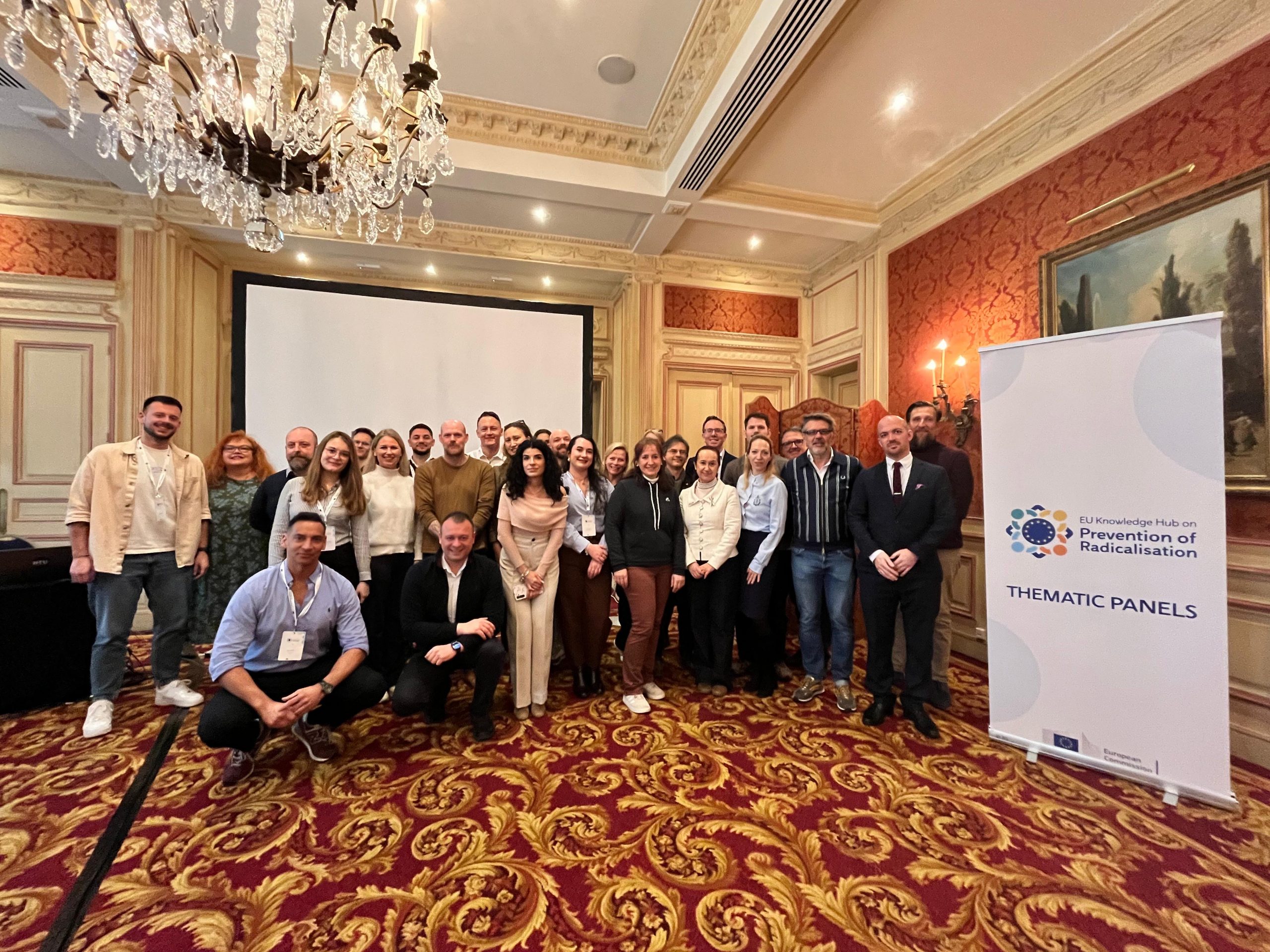
Robert Simpson: I’m a researcher from the University of Manchester and I’m interested in grassroots community responses to disasters and conflict, particularly spontaneous memorials, commemorative practices in digital spaces, and other cultural responses to trauma. My research contributes to a growing body of work around memorialisation, collective memory, identity and belonging, resilience, and social solidarity. I’m also the co-founder and developer of PLAN-CARE-HEAL, which is an online framework supporting heritage professionals and community groups in the collection and documentation of contemporary disasters. More specific to this interview, my work also includes contributing as a Thematic Panel Member (Panel 4: Local Dimension, Polarisation and Resilience Building) to the EU Knowledge Hub on Prevention of Radicalisation.
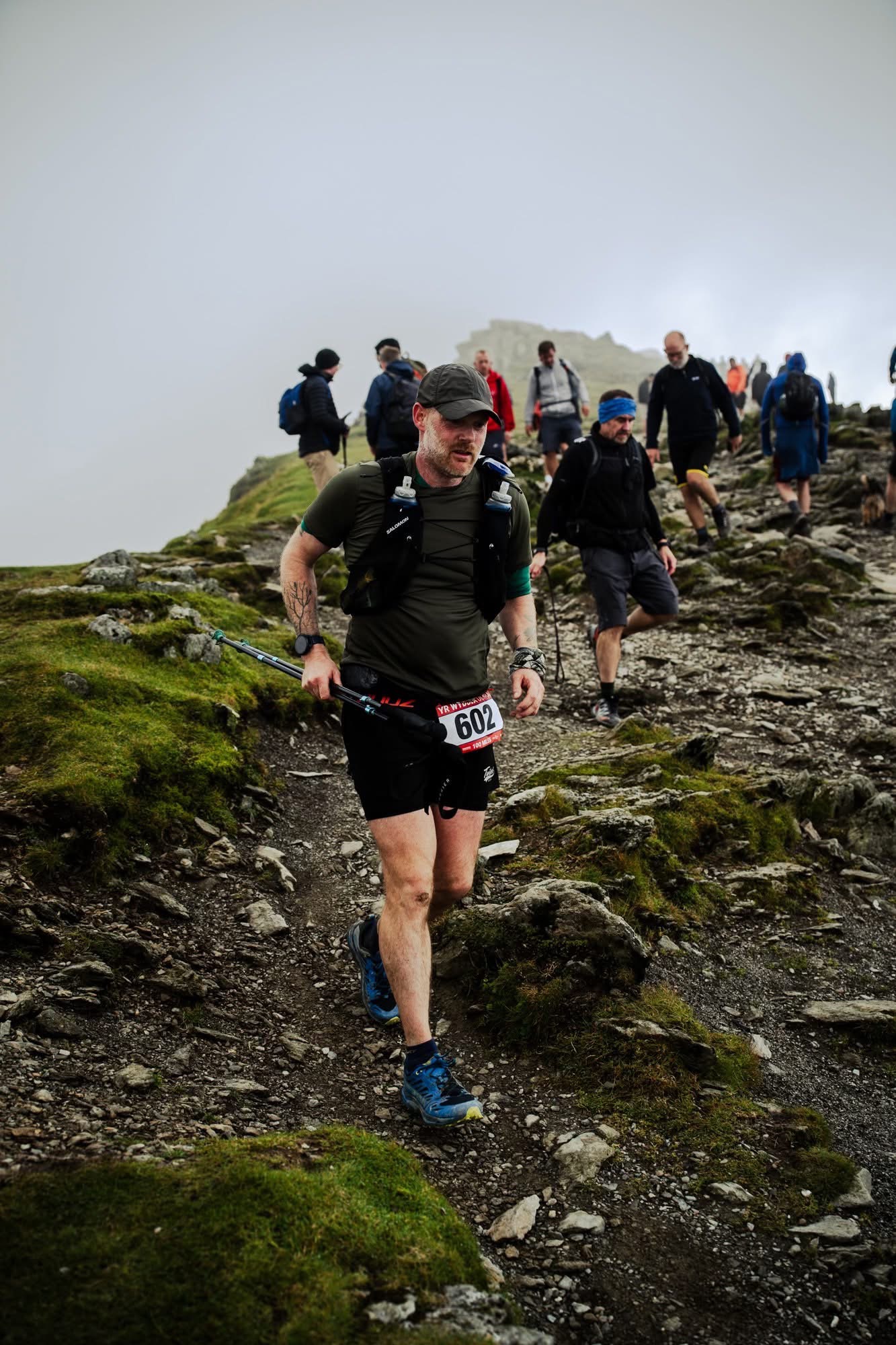
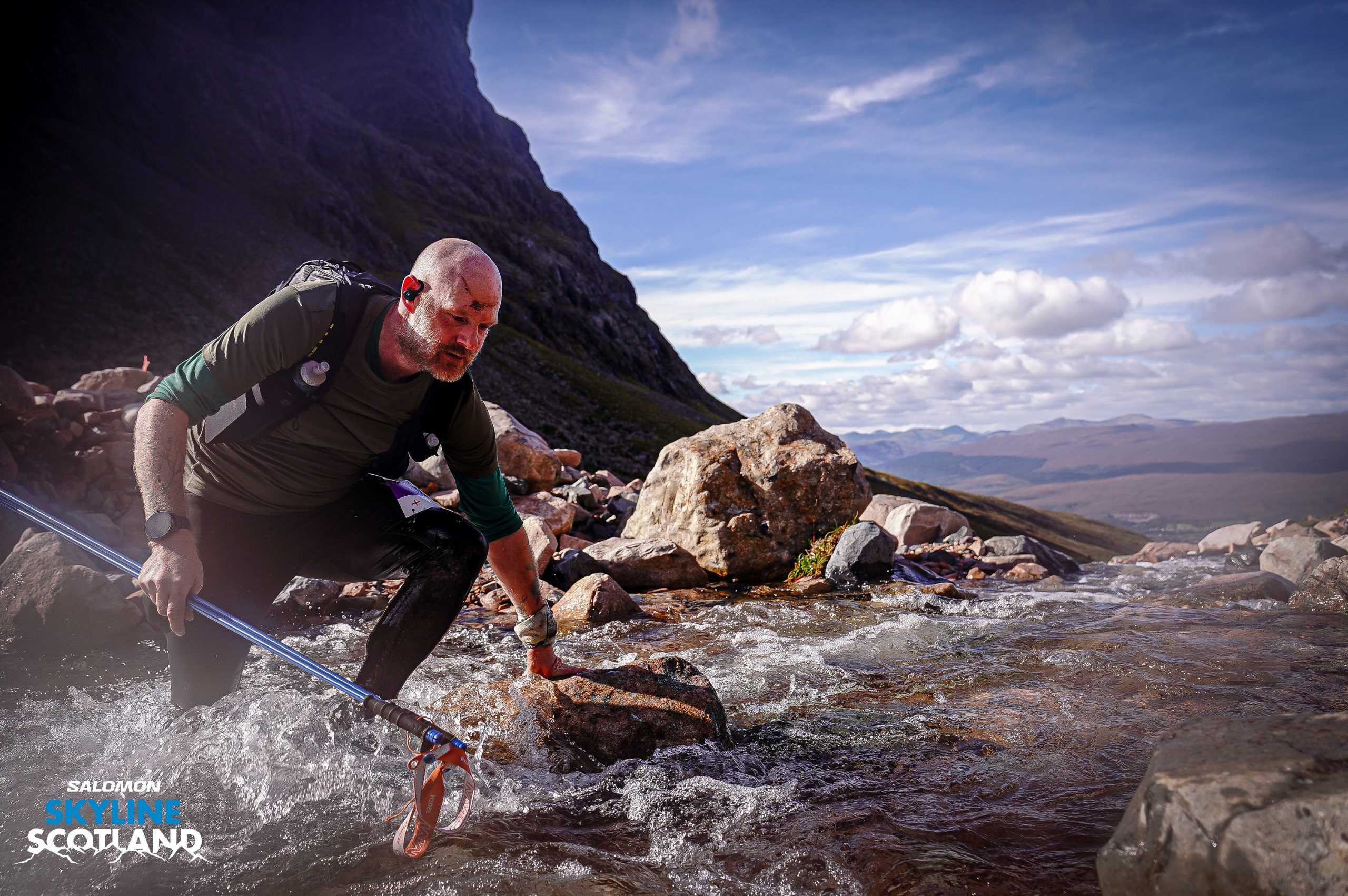
Outside of research, I also competitive as a fell runner, taking part in ultra-distance, mountain races, with distances ranging from 50 to 100 miles. I also volunteer as a mountain race marshal, looking after athletes during some of their most vulnerable and exposed moments in the race. Through this, I have experienced first-hand both the benefits and joys of being part of a tight-knit sport community and the strong sense of belonging and identity it can foster both off- and online. At the same time, I also have witnessed the pitfalls this can lead to and the ways in which more radicalised and extremist views and beliefs can seep into the community.
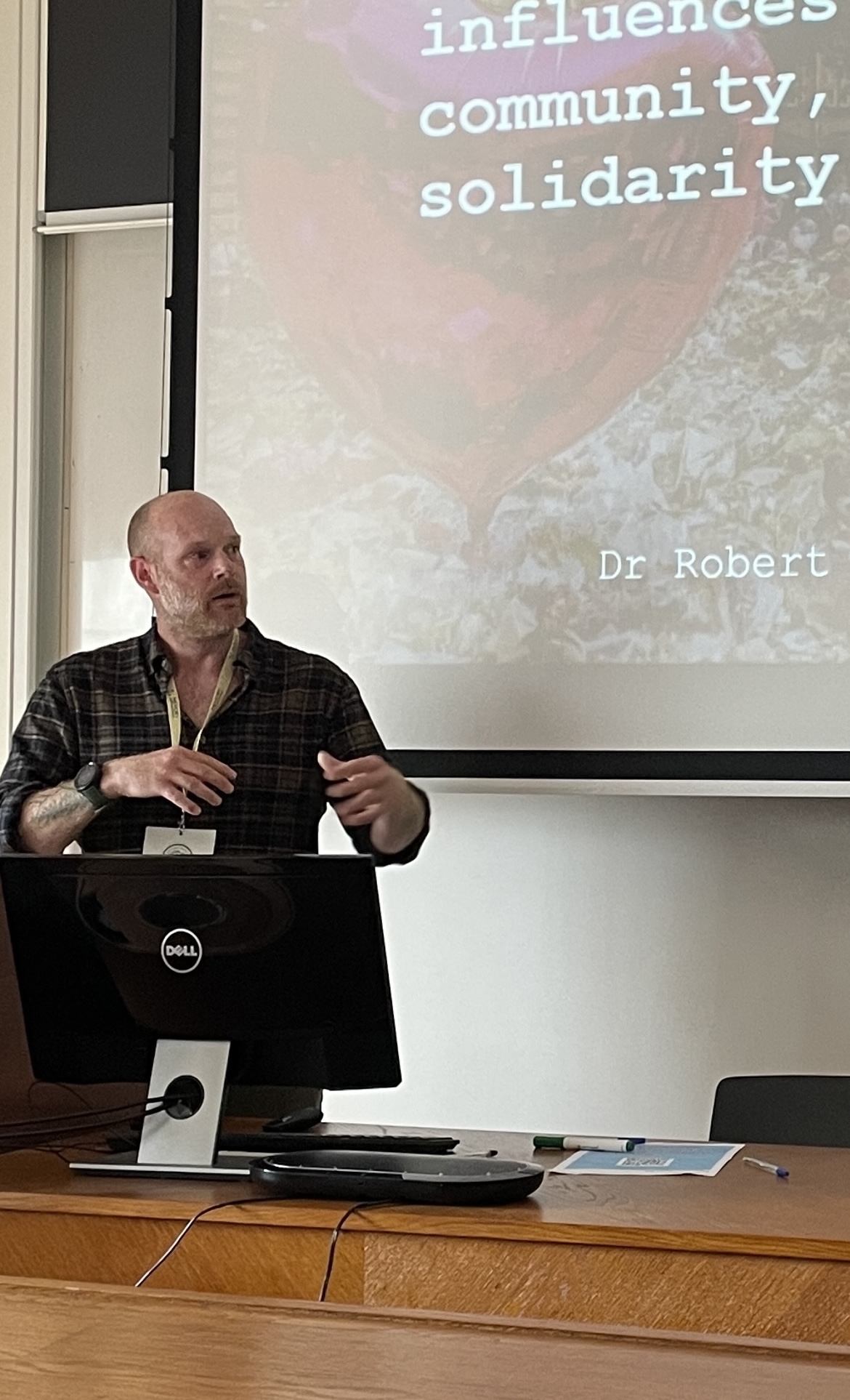
”Sport is often seen as a powerful tool for inclusion and community-building. But recent discussions suggest it can also play a more complex role. From your perspective, how would you describe the relationship between sport and radicalisation today? And when did this shift from a theoretical concern to something real for you?
Marina KazakovaVictim Support Europe
Robert Simpson: It is easy to see why sport communities can become fertile ground for radicalisation. At their core, they are built around micro-communities that offer a sense of belonging, identity and shared purpose. When these dynamics are harnessed in a positive, prosocial way, they can bring people together, foster inclusion, and create bridges across communities. However, when misused, those same dynamics can be exploited (particularly among individuals seeking identity or connection) and redirected towards more exclusionary or ideological positions that can lead to division and, in some cases, extremism.
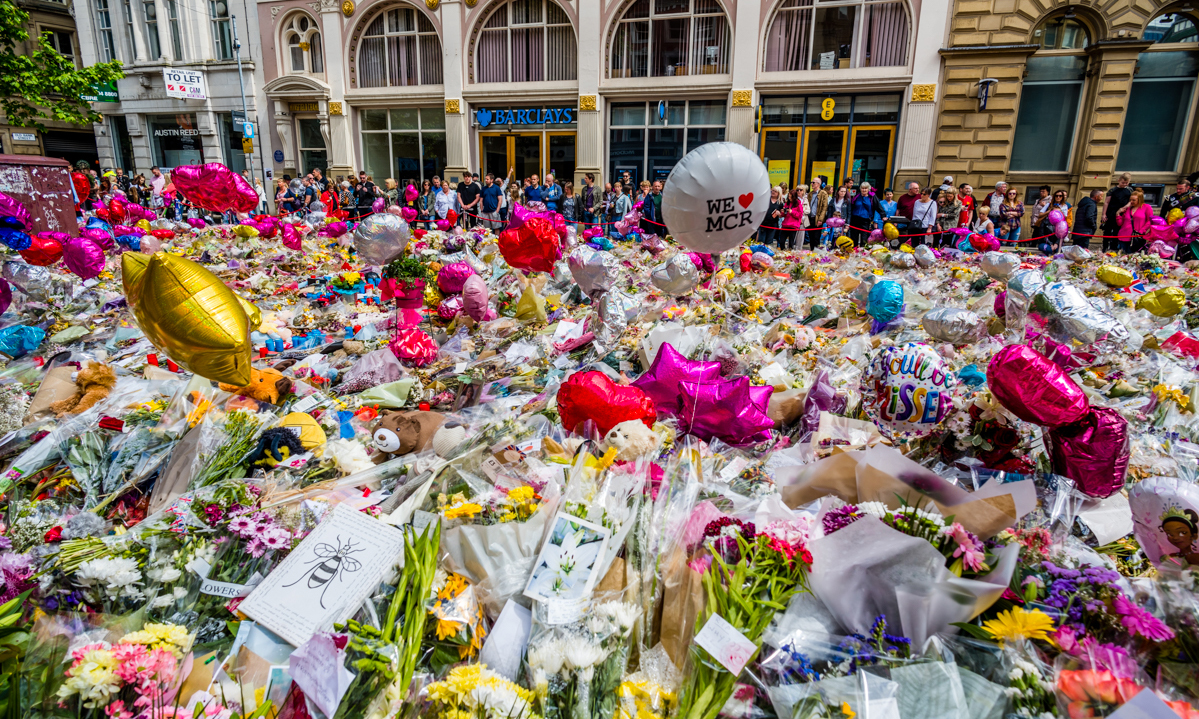
My early interest in the relationship between sport, belonging and resilience actually began during my doctoral research on public reaction to unexpected violence, such as terrorist attacks. Using the Manchester Arena bombing in 2017 as my case study, what stood out to me was the way in which both the public and the media drew heavily on the language and imagery of sport (in this case, football) to make sense of collective grief and solidarity. During the spontaneous memorials that followed the attack, crowds were described by local news outlets as if gathered for a Premier League victory, with references to supporters, atmosphere and collective identity used to frame the moment. Expressions and slogans like “united we stand” and “I ♥ MCR” became powerful symbols of unity, much like a shared badge or team identity. These references seemed to help a grieving community experience a sense of togetherness, support, and resilience, but they also revealed how deeply embedded sporting frameworks are in how we understand belonging, loyalty and collective identity.
That insight stayed with me, highlighting how sport is not just an activity, but a powerful social and cultural framework through which people interpret community, identity and even conflict. This is precisely why it holds such potential, both as a tool for resilience building and inclusion, and, in certain contexts, as a space where those same dynamics can be redirected in more harmful ways.
Sport as a Space for Identity Formation
”What is it about sport environments that makes them such powerful spaces for identity and belonging? And how can these same dynamics be exploited by extremist actors?
Marina KazakovaVictim Support Europe
Robert Simpson: Sport environments are powerful because they provide structured belonging. They offer clear roles, shared rituals, visible symbols, and a strong sense of in-group identity. For many individuals, particularly young people, these spaces meet fundamental social needs around connection, recognition and purpose.
What is important to understand, however, is that radicalisation in these contexts is often not initially ideological, but social. People are not typically drawn in by extremist beliefs at the outset, but by the appeal of belonging to a group that offers identity and meaning. These are precisely the needs that can be exploited by extremist actors. Once a sense of loyalty and “buy-in” has been established, more explicit or exclusionary narratives can be gradually introduced.
At a recent meeting of the EU Knowledge Hub on Prevention of Radicalisation, I described this process as a kind of “belonging pipeline”. It begins with open, seemingly inclusive entry points, often through groups who present themselves as community-oriented and supportive. Over time, this process can evolve into tighter, more insular forms of identity, where boundaries between “us” and “them” become more pronounced, and where ideological framing can take hold.
This is why focusing purely on ideology risks missing the underlying process. The critical issue is how belonging and identity are being constructed, reinforced and, in some cases, redirected within these environments.
”To what extent are we seeing overlaps between offline sport communities and online spaces? How do online fitness cultures, gaming, or influencer ecosystems contribute to pathways into radicalisation? Can you expand on the influence of ‘manosphere’ or ‘warrior culture’ narratives in this context?
Marina KazakovaVictim Support Europe
Robert Simpson: One of the fastest growing developments is the overlap between offline sport environments and digital spaces. Sport, and by extension fitness, no longer exists purely in physical settings but now extends into online ecosystems where identity formation is increasingly shaped by algorithms, influencers, and peer networks.
What we are seeing is not a replacement of offline communities, but an extension of them. Individuals often move fluidly between physical participation and digital engagement, creating pathways where identities are reinforced, reshaped, and, in some cases, redirected.
These pathways are particularly visible across fitness and lifestyle influencer cultures, gaming and e-sports platforms, and algorithm-driven social media environments such as TikTok and Instagram, as well as more closed messaging services like Telegram or WhatsApp. Within these spaces, recruitment and influence often begin in open, highly visible environments before gradually shifting into smaller, less moderated or private networks.
Narratives linked to the “manosphere” or “warrior culture” frequently enter through these channels in subtle and appealing ways, framed around discipline, strength, self-improvement, and masculinity. However, over time, these narratives can evolve into more rigid, exclusionary, or explicitly anti-feminist ideologies, particularly when reinforced within closed or homogeneous communities.
What makes “manosphere” and “warrior culture” narratives particularly influential in sport and fitness contexts is how effectively they align with pre-existing values within those environments. Ideas around discipline, resilience, physical strength, and self-mastery are already central to many sporting cultures, which makes the entry point for these narratives feel both natural, healthy and legitimate. The shift happens when these values are reframed through a more rigid and exclusionary lens – where the idea of strength transmutes to become dominance, where resilience becomes emotional suppression, and where self-improvement becomes tied to hierarchical or gendered worldviews. In these contexts, masculinity is often constructed in oppositional terms, defined against perceived weakness, femininity, or “outsider” groups. This can create a powerful identity framework that is both aspirational and defensive, offering individuals a sense of control, purpose, and belonging, while simultaneously narrowing their worldview. Over time, and particularly in online spaces where these ideas are amplified and normalised, this can contribute to the legitimisation of misogyny, anti-feminist rhetoric, and, in some cases, broader extremist ideologies. The challenge for practitioners is not to reject the underlying values of discipline or self-development, but to recognise how they are being framed, and to actively promote more inclusive and emotionally literate models of identity within these spaces.
It is also important to stress that these platforms are not inherently problematic. They can and do foster positive communities. However, without moderation, critical engagement, or exposure to alternative viewpoints, they can function as echo chambers that reinforce and normalise increasingly extreme perspectives.
Differences Across Sporting Cultures
”Are some sports or club environments more vulnerable than others? What factors (e.g. structure, culture, demographics) make a sport more resilient—or more at risk? And ss it possible to ‘diagnose’ or assess where radicalisation risks are highest?
Marina KazakovaVictim Support Europe
Robert Simpson: Not all sports function in the same way, and I think this is a crucial point for both research and practice.
Different sporting environments structure identity in very different ways. Some, such as football ultra cultures, emphasise collective identity and strong in-group belonging where loyalty, symbolism and group affiliation are central. Others, such as combat sports, tend to place greater emphasis on discipline, strength, hierarchy and controlled aggression. In contrast, endurance sports like ultra running often foster more individualised forms of identity, but within broadly supportive and inclusive communities.
These distinctions matter because they shape both vulnerability and resilience. Environments built around tight group cohesion and clear boundaries can, in certain contexts, be more susceptible to “us versus them” thinking, whereas more open or fluid structures may offer greater protection through diversity and flexibility of participation. At the same time, no sport is inherently immune. In this sense, the risk depends less on the activity itself and more on how identity, belonging and behaviour are organised within it.
This was a point of clear agreement during our last EU Knowledge Hub meeting, where there was strong recognition that sports environments should not be treated as uniform spaces. Instead, risk and resilience are shaped by context; by group dynamics, leadership, social norms and the narratives that circulate within them.
For that reason, it is more useful to think in terms of diagnosing environments rather than categorising sports. This involves looking at factors such as how inclusive a group is, how difference is handled, what kinds of behaviours are normalised, and how strongly identity is tied to loyalty or opposition.
There is real scope here for developing usable tools that can help practitioners assess their own settings in a structured and productive way, identifying where protective factors are strong, where vulnerabilities may exist, and how these can shift over time. Moving in this direction would allow prevention efforts to become more targeted, context-sensitive, and ultimately more effective.
Impact on the Ground
”What does this issue actually look like in practice for coaches, youth workers, or clubs? Are there observable signs or patterns of radicalisation emerging in sport settings? And how aware are frontline practitioners of these risks currently?
Marina KazakovaVictim Support Europe
Robert Simpson: For practitioners, the issue of radicalisation and sport rarely presents itself in overt or immediately identifiable ways. Instead, issues tend to emerge through more subtle shifts in behaviour and group dynamics, such as increasing “us vs. them” language, exclusionary or hostile humour, a growing fixation on identity, masculinity or grievance, or noticeable behavioural changes such as withdrawal or heightened aggression. Often, what is happening online begins to filter into offline interactions within teams or clubs.
As reflected in discussions at the recent EU Knowledge Hub meeting, these early indicators are critical, yet they are also the easiest to miss. Awareness among frontline practitioners is still relatively low, and many coaches, volunteers, or youth workers have not been trained to recognise or respond to these patterns. There can also be a lack of confidence in knowing what constitutes a concern versus what might be dismissed as typical group behaviour.
This is why the emphasis needs to shift towards early identification, everyday practice, and proportionate response. Practitioners are not expected to manage fully developed cases of radicalisation, but they are often best placed to notice the early signals. Supporting them means equipping them with the confidence, language, and practical tools to respond appropriately, safely, and consistently within their role.
Shifting the Lens – A Prosocial Approach
”There’s increasing emphasis on taking a strengths-based or prosocial approach. What does that mean in practice? How can sport be intentionally used to build inclusive identities and resilience against radicalisation?
Marina KazakovaVictim Support Europe
Robert Simpson: A major takeaway from the discussions was the importance of adopting a prosocial, strengths-based approach. Rather than focusing solely on risk, prevention, or surveillance, the emphasis shifts towards how sporting environments can be intentionally designed to create positive self-image and and more inclusive communities.
In practice, this means embedding core values such as respect, fairness, inclusion, and responsibility into the everyday fabric of sport. It also involves integrating life skills, such as emotional regulation, critical thinking, and constructive conflict management, into coaching and training environments, alongside creating spaces where open dialogue is encouraged rather than avoided.
Importantly, this approach is underpinned by the principle of “Do No Harm”, which was strongly emphasised in the conclusions of the meeting. Interventions must be proportionate, context-sensitive, and carefully delivered to avoid stigmatising individuals, reinforcing divisions, or escalating tensions. The goal is not to label or isolate, but to guide, support, and create environments where positive behaviours and identities can flourish.
Ultimately, the aim is not just to prevent radicalisation, but to build resilience by ensuring that exclusionary or extremist narratives have less traction because stronger, more inclusive alternatives already exist.
Solutions and Tools
”Can you tell us about the emerging toolkit for frontline practitioners? What kinds of tools or guidance will it provide in practice? And how will it help people recognise early warning signs and respond effectively?
Marina KazakovaVictim Support Europe
Robert Simpson: One of the key outcomes of the meeting is the development of a practical toolkit for frontline practitioners, including coaches, educators, volunteers, and community workers. Its core purpose is to translate complex policy discussions into clear, accessible, and actionable guidance that can be used in everyday settings.
The toolkit is designed to support practitioners in:
– Understanding the nature of risks and how they may manifest in different sporting contexts
– Recognising early warning signs at both individual and group levels
– Responding appropriately within the limits of their role
– Embedding inclusive, prosocial practices into daily routines
Crucially, it is intended for users without prior expertise in radicalisation or extremism. This level of accessibility is key, ensuring that it can be used across grassroots environments where most interactions with young people take place. The focus is on practical usability, with resources like simple frameworks for learning how to identify early indicators of radicalised behaviour, checklists for assessing core values and practices, and real-world examples, such as case studies and interviews, that support early action rather than reactive intervention.
So in practice, this becomes less about complex interventions and more about embedding simple, usable tools into everyday environments. This could include “read the signs” materials, such as posters or quick reference guides, displayed in community sport centres or changing rooms, that highlight early indicators like behavioural changes, exclusionary language, or identity-based tensions. There’s also value in utilising visual awareness tools, similar in many ways to the already widely used public campaigns in areas like domestic violence prevention, which help make these issues visible and easier to recognise without stigma. Alongside this, short, role-specific training for coaches, volunteers, and club staff can build confidence in how to respond appropriately within their role. Supporting materials such as checklists, conversation prompts, and clear signposting pathways are equally important, ensuring practitioners know when to act, how to respond proportionately, and where to go for additional support. The aim here is to make early awareness and response feel practical, not specialist.
Standards and Principles
”You also discussed developing a set of core principles or standards. What do these look like? How can clubs realistically implement them in day-to-day practice? What role do incentives (like funding or grants) play in encouraging adoption?
Marina KazakovaVictim Support Europe
Robert Simpson: Alongside the toolkit, there was significant progress in outlining a set of core principles or standards grounded in safety, inclusion, belonging, and social responsibility.
These principles are designed to act as a shared framework that clubs and organisations can adopt and adapt within their own contexts. They emphasise:
– Creating safe and inclusive environments
– Encouraging open dialogue (recognising that silence can imply acceptance)
– Promoting balanced and responsible gender narratives
– Embedding life skills and positive values into sport
– Acting early and proportionately when concerns arise
Importantly, discussions also explored how these standards could be embedded through incentive structures, such as funding opportunities, grants, or access to resources for clubs that actively commit to and implement them. This moves the approach beyond symbolic endorsement towards meaningful, sustained application.
At the same time, there was recognition that this is not about rigid compliance or box-ticking. Instead, the goal is to create a living framework that is visible in everyday practice and supported by a broad coalition of stakeholders, from grassroots organisations to governing bodies and policymakers.
Collaboration Across Sectors
”There seems to be a disconnect between research, policy, and practice — why do you think that happens? What would stronger, more meaningful collaboration between these groups actually look like? And how can we make sure policies don’t just sound good on paper, but lead to real impact in practice?
Marina KazakovaVictim Support Europe
Robert Simpson: A consistent theme throughout the meeting was the persistent gap between research, policy, and practice. While research helps us understand patterns and risks, and policy provides strategic direction, it is practitioners who are responsible for implementation in complex, real-world environments.
Bridging this gap requires more than communication, it requires genuine co-production.
In practical terms, this means:
– Designing tools and resources collaboratively with practitioners, not just for them
– Ensuring policies are adaptable to local contexts rather than overly prescriptive
– Creating ongoing feedback loops so that insights from practice inform both research and policy development
– Strengthening coordination across sectors, including sport organisations, education, civil society, and law enforcement
Without this, there is a real risk that policy remains abstract and disconnected from the environments it is intended to support. The ambition, therefore, is to create a more integrated approach where knowledge flows in both directions and where solutions are grounded in the realities of day-to-day practice.
Highlight gaps and future priorities
”What are the biggest blind spots that still need more attention? How urgent is the issue of online radicalisation linked to sport and fitness cultures? And what should be the priority for policymakers, practitioners, and researchers moving forward?
Marina KazakovaVictim Support Europe
Robert Simpson: Looking ahead, there are three areas that require more sustained attention.
First, the relationship between digital and physical environments. As highlighted in the EU Knowledge Hub discussions, sport and fitness no longer exist in isolation from digital spaces. Online platforms (from gaming and e-sports to fitness influencers and algorithm-driven social media) are increasingly shaping how identities are formed, reinforced, and sometimes redirected. These spaces can act as entry points into more closed or ideologically driven communities, particularly for younger audiences. The speed, scale, and subtlety of these pathways make this one of the most urgent areas for both research and intervention.
Second, the variation across sporting cultures. One of the clearest takeaways from the meeting was that sport cannot be treated as a single, uniform environment. Different sports structure identity, belonging, and group dynamics in very different ways, which in turn shapes both vulnerability and resilience. There is growing recognition reflected in EU-level discussions that we need more refined, diagnostic approaches to understand where risks are more likely to emerge, and why. This includes paying closer attention to factors such as group identity, leadership structures, gender dynamics, and the narratives that circulate within specific sporting contexts.
Third, the challenge of translating insight into practice. While there is no shortage of policy frameworks or research findings, the gap remains in how these are applied on the ground. The development of the practitioner toolkit and the emerging standards framework are important steps in addressing this, but their impact will depend on accessibility, usability, and sustained collaboration across sectors. As emphasised in the conclusions, prevention efforts are most effective when they are coordinated, multi-level, and embedded into everyday practice, not treated as standalone interventions.
Taken together, these are not abstract or future concerns. They reflect dynamics that are unfolding in real time, particularly among younger generations. The urgency now lies in responding in a way that is informed, proportionate, and practically grounded.
”If there’s one key message, you’d want people working in sport (including big sport brands) and community settings to take away, what would it be?
Marina KazakovaVictim Support Europe
Robert Simpson: If there is one key message, it is that sport is not inherently positive or negative – it can be a powerful social binding agent that brings people and communities together. The critical question, is how those elements are shaped and guided within specific environments.
If approached intentionally, sport can be one of the most effective tools we have for building resilience, inclusion, and social cohesion across communities. It can create spaces where individuals feel valued, connected, and supported, reducing the appeal of more exclusionary or harmful narratives. But without that intentionality and without clear attention to the values, behaviours, and structures embedded within these environments, those same dynamics can be redirected in ways that deepen division and reinforce vulnerability.
What this ultimately calls for is not a shift away from sport, but a more conscious engagement with it: recognising its influence, supporting those who shape it on the ground, and ensuring that the environments we create genuinely reflect the inclusive and prosocial values we want to see in wider society.
