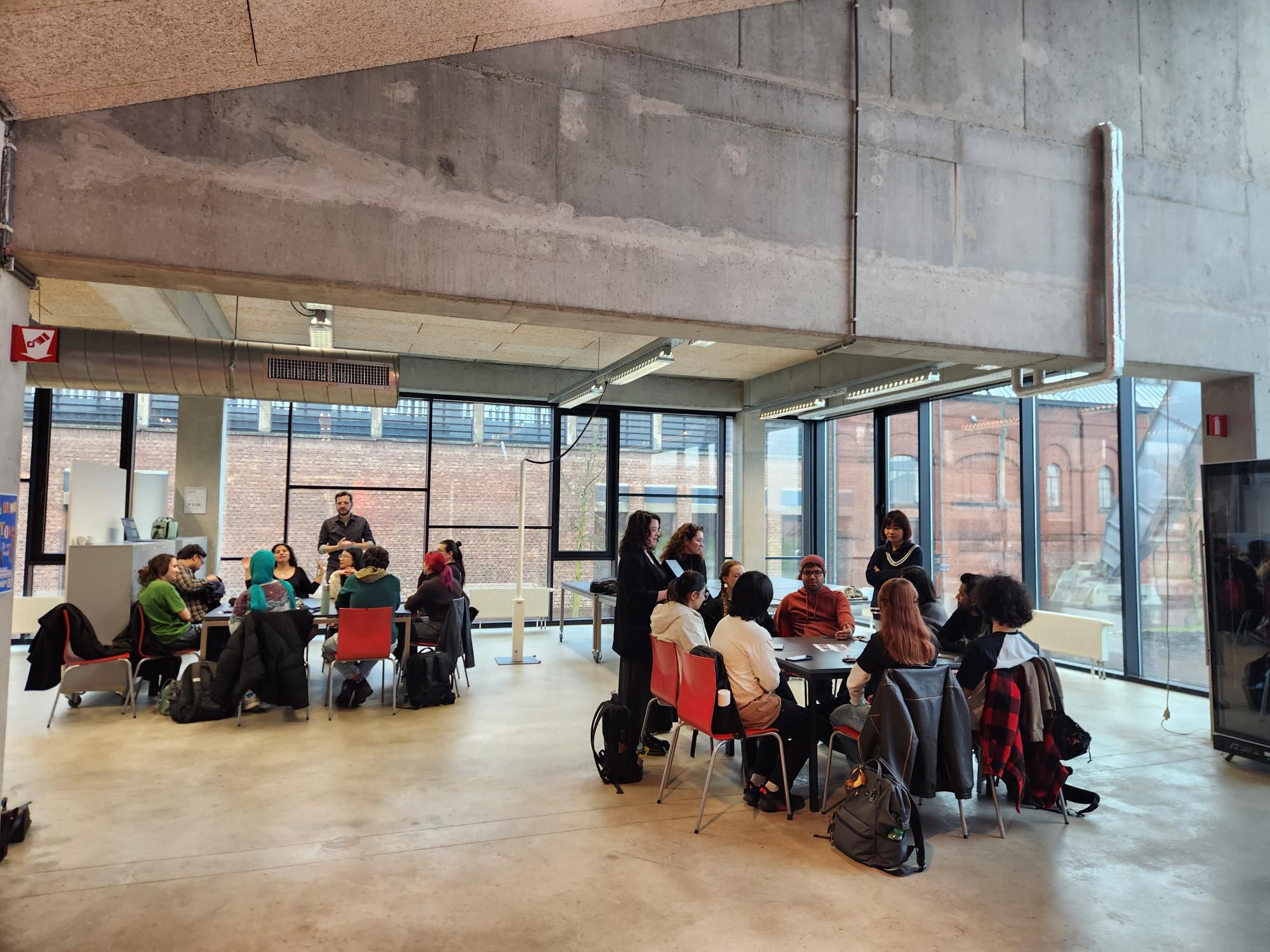
Brussels, 27 March — Victim Support Europe has partnered with LUCA School of Arts to explore new ways of addressing online harassment through creative learning and game design.
The collaboration takes place within the REPLAY Erasmus Mundus Master’s programme, which brings together students from around the world to experiment with meaningful games that engage with complex social issues.
As part of LUCA’s Play in Context public course, students are challenged to move beyond traditional screens and controllers to design playful experiences that engage real people in real-world environments.
This partnership encourages students to develop innovative concepts for online harassment prevention, transforming digital challenges into engaging learning experiences. Drawing on its expertise in victims’ rights and support services, Victim Support Europe provides insight into victims’ experiences and trends in online harassment, helping students ground their ideas in real-world challenges and prevention strategies.
Although crime reporting rates vary across Europe, surveys by the European Union Agency for Fundamental Rights show that harassment — including online harassment — is widespread. For example, research indicates that around 61 % of young people aged 16–29 in the EU experienced harassment in the previous five years, with roughly 27 % reporting harassment that included offensive or threatening online behaviour.
”Students from the REPLAY programme come from diverse cultural and academic backgrounds, which brings a wide range of perspectives to the project. Their work shows how digital environments shape human interaction and helps reframe online harassment as a tangible social issue rooted in everyday online experiences and power dynamics
Steven MallietProfessor at LUCA School of Arts
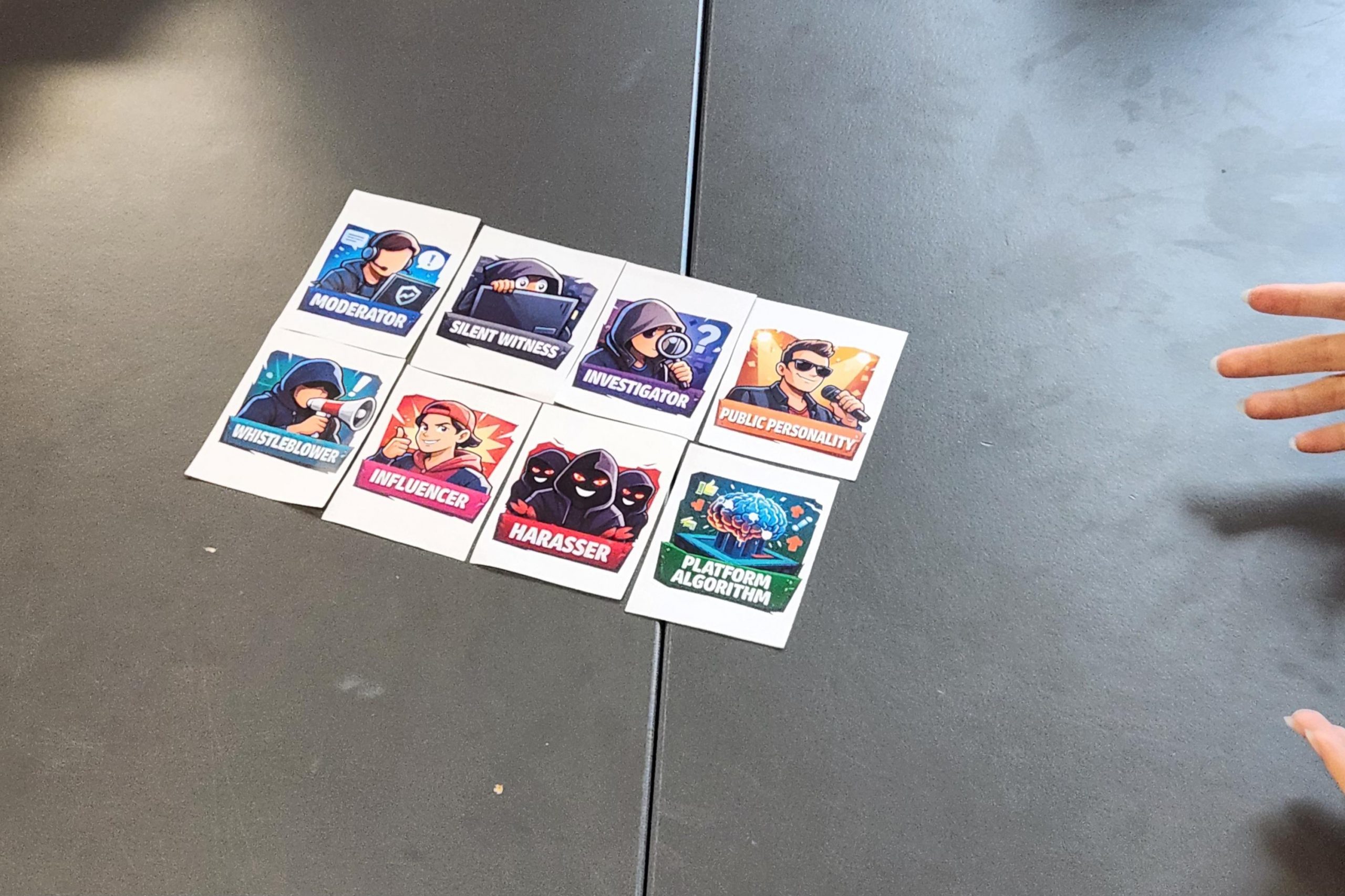
In the Play in Context public course, students will work with Olivia Ji (researcher) and Kasper Adriaensen (production).
Seven student‑led prototypes are now in development, with public presentations scheduled for April. The goal is not only to promote discussion and awareness but also to identify innovative ideas that might influence future victim support strategies and educational tools.
The partnership highlights a forward‑looking approach to combining education, creativity, and social impact in efforts to tackle digital harm, particularly among younger internet users.