

Sofia Barlind has been with Victim Support Sweden (Brottsofferjouren) for more than 20 years and is currently part of the organisation’s management team, where she heads the communication and administration departments. Her areas of expertise include statistics and data collection, surveys and quality control, standards and policies, and organisational development. She is also the architect and project manager behind Victim Support Sweden’s bespoke case management system, Minerva.
In this conversation, Sofia discusses the major shift in how victims are referred to support following the organisation’s new formal agreement with the Swedish Police. She explains how a system that for decades relied on fragmented, manual referrals has evolved into a national, digitally connected process—and what this change means for equal access to support, cooperation between organisations, and the experience of victims in the crucial days following a crime.
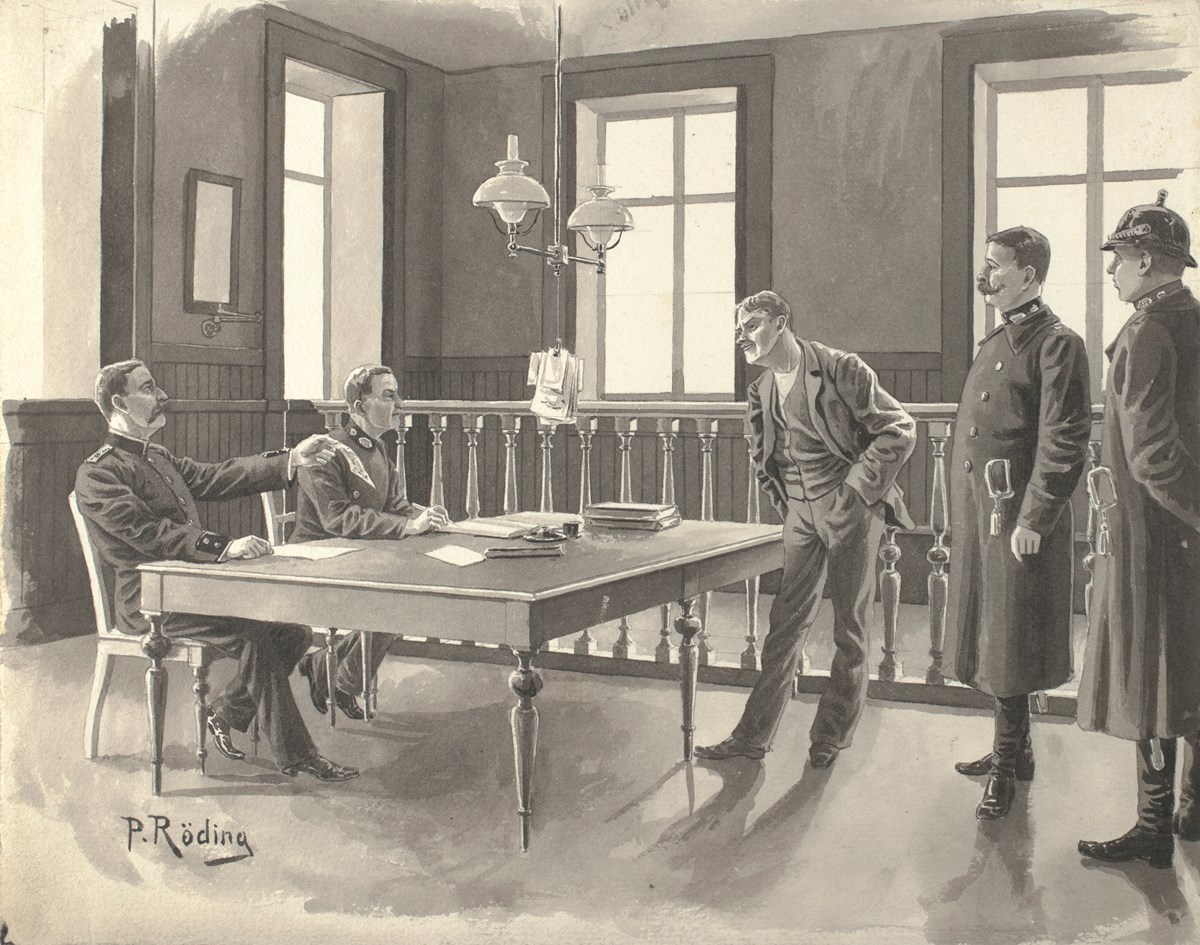
Picture Courtesy of: Per Fredrik Röding, CC BY 4.0 <https://creativecommons.org/licenses/by/4.0>, via Wikimedia Commons
A Major Milestone for Victim Support in Sweden
Marina Kazakova, VSE: To start broadly, how would you describe this moment in Sweden right now for victim support—what has just changed in simple terms, and why is it considered such a major milestone?
Sofia Barlind: Victim Support Sweden has been receiving victim data from the police for 35 years, but since 2025 there’s a formal agreement, a contract with the police that VS Sweden will receive data digitally, to one single address and for all victims—no matter which service they requested at the time of reporting. VS Sweden is now the designated organisation tasked with processing all referrals so that victims reach their preferred support organisation.
Moving Beyond a Fragmented Referral System
Marina Kazakova, VSE: So, in a sense, the major change is not that victim support itself is new, but that the way people are connected to it has fundamentally changed. For many years, the system worked in a more fragmented way. From your perspective, what were the biggest limitations of that old structure for people seeking help?
Sofia Barlind: Before, referrals were processed locally by hundreds of individuals within the police service. Someone had to manually process each case to move on to victim support, and that meant there were huge differences in referral rates and intervals across Sweden. It all depended on individual people transferring cases one by one. Now, transfer of data happens automatically after the victim says yes to victim support. The day after someone asks for support, the case will be part of the next batch of referrals exported from the police the next morning, which means victim support can contact people sooner than we ever could before.
One National Entry Point, Support for Every Victim
Marina Kazakova, VSE: That shift from individual handling to an automated process seems particularly important given the differences you describe. What does it practically mean now that Victim Support Sweden is the main national entry point for all police-referred victims?
Sofia Barlind: Victims make a choice from four different alternatives at the point of reporting: all-crime victim support, gender-based support services, social services and other specialised services. If they choose victim support, it’s very simple: our case management system will sort the case by postcode and automatically send them on to one of our local centres. We cover all but one of the 290 municipalities in Sweden with our 58 local centres.
If it’s gender-based services, most municipalities in Sweden have some sort of organisation available, but if it’s victim support run by social services, only a minority of municipalities will have that as an option. But no matter what—if the victim’s choice of service is unavailable in that area, the case will transfer to our local victim support centre in the same area, and we will call the victim and explain the circumstances and offer to provide support from us instead. This means nobody falls between the cracks—everybody will be contacted and offered support.

Picture Courtesy of:
Greg, CC BY-SA 2.0 <https://creativecommons.org/licenses/by-sa/2.0>, via Wikimedia Commons
Building a Network of Support Organisations
Marina Kazakova, VSE: That also means the system has to work beyond Victim Support Sweden itself, connecting people to a much wider network of specialised services. This reform includes over 58 partner organisations working together. How did you manage to bring so many different actors into a shared system?
Sofia Barlind: It’s not actually just the 58 local centres within Victim Support Sweden; it’s also over 100 external organisations, mainly women’s shelters, specialised services, youth services run by municipalities—a whole network of organisations all working for victims. It’s the victim’s choice which organisations they’d like to come into contact with, and VS Sweden is now responsible for making sure all referrals are delivered to their destination.
Many of these external organisations have been getting data from the police before this reform, but some hadn’t, so there was a period of transition where we reached out to all of them to create the referral channels or methods of transferring the victim from us to them.
Bringing the Police and Victim Support Closer Together
Marina Kazakova, VSE: With such a large network, and with different parts of the police having their own responsibilities and priorities, the technical solution was clearly only one part of the challenge. What were the biggest challenges in building trust and cooperation between the police and victim support organisations over such a long process?
Sofia Barlind: Getting to this point was a huge undertaking. It took years and years of discussions and liaising with individuals within the police who were attuned to victims’ rights and the importance of victim support. The decision-making process within the police service is fragmented; different departments can slow down a process if it’s not a priority for them.
Even if the department within the police working with victim risk assessments would have liked to get a solution like this in place years ago, the IT department or the legal department had their own priorities and their own timelines. It took a long time before it all fell into place.
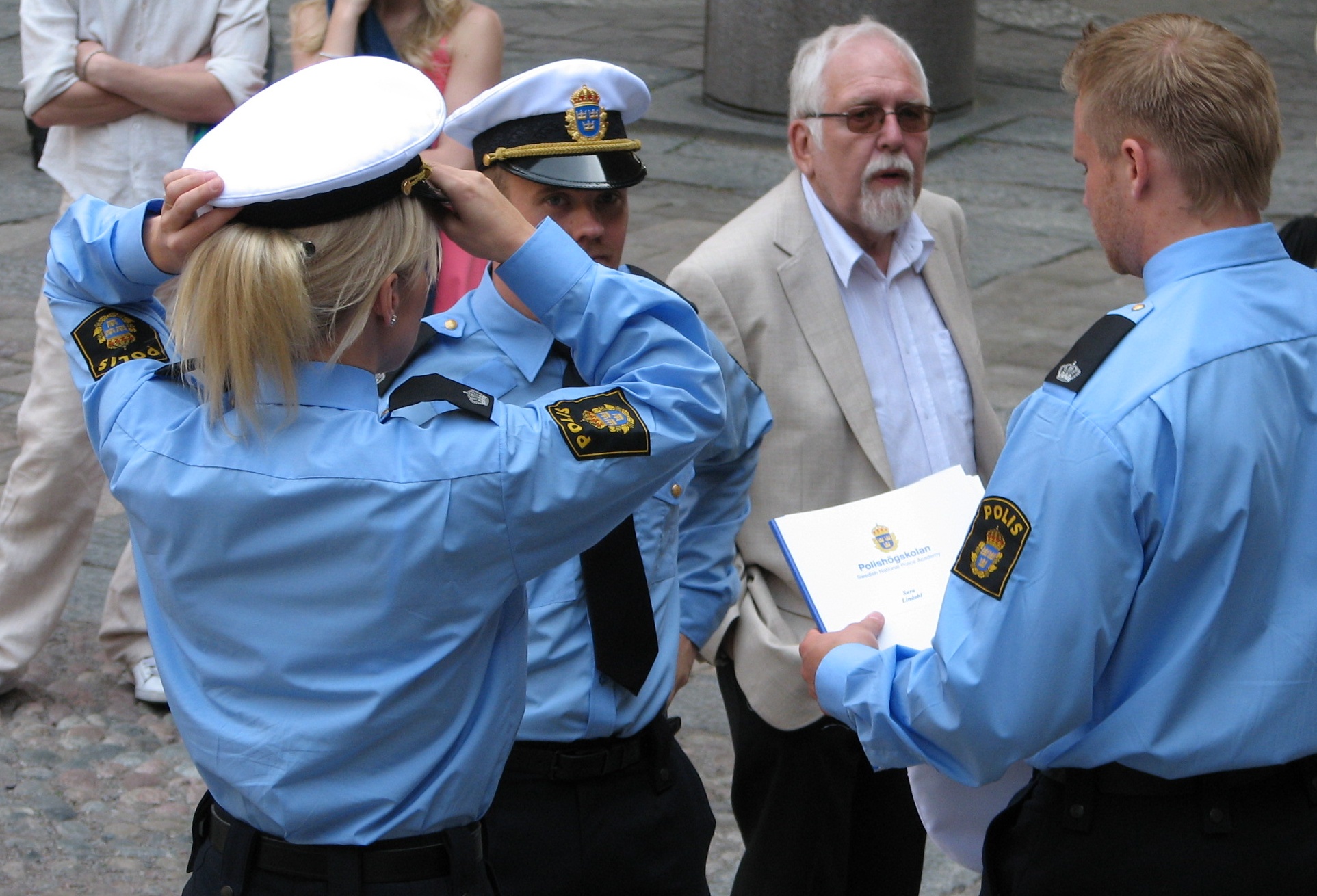
Picture Courtesy of: Jeremy Bishop on Unsplash
Making Access to Support More Equal Across Sweden
Marina Kazakova, VSE: And that long process also helps explain why equal access became such an important part of the reform. The new system is described as faster and more equal across the country. Can you explain what “equal access” really looks like in practice for someone living in a small town versus a big city?
Sofia Barlind: Referrals used to depend on individual police officers transferring cases one by one, which made for huge differences in referral rates and intervals depending on where someone lived. It wasn’t always to your detriment to be from a small town—if you happened to live where a dedicated policeman transferred referrals daily, your case was sent on swiftly.
And in some of the bigger cities where there were lots of referrals to process, the policeman in charge may have been somewhat slower because of the amount of referrals. In some areas, referrals were left until a certain amount had accumulated before actually sending them on to victim support in one go once a week. In some places, referrals would simply stop for weeks on end, and it turned out the single responsible officer was on vacation…
Now, every case is treated with the same urgency no matter where in Sweden it is reported. Automation solved a lot of these issues.
The Moment the Agreement Finally Became Reality
Marina Kazakova, VSE: Hearing how many years of delays, false starts and different priorities stood behind this reform, it sounds like reaching the final agreement must have been quite a moment. Was there a point during the development of this agreement when you personally realised: “this is finally going to happen”?
Sofia Barlind: I actually didn’t believe it would happen until the agreement was signed. It had been so many years, so many promises, false starts and unexplained stops. But during the autumn of 2024, we got signals from our contacts within the police that the final hurdles were being cleared and maybe we could expect an agreement soon.
Then we went into late December and still nothing. I was actually on vacation in Barcelona, standing on top of the highest peak of Park Güell the day before Christmas, when Fredrik (our director at the time) called me and said, “It’s done. I just signed the agreement.”
It was a surreal feeling, after having worked for this for so many years.
And then he said, “We have six weeks to get everything into place before the whole thing goes live.”
Why Early Contact Makes a Difference for Victims
Marina Kazakova, VSE: Six weeks after so many years of work is quite a contrast. And ultimately, all of that organisational and technical work comes down to one question: what does it mean for the person who has just experienced a crime? If we zoom in on the human side, what difference do you hope this makes for victims in those first hours or days after something has happened?
Sofia Barlind: When you’re in that situation, having just reported a crime, you have a lot of questions and feelings and reactions, but there’s also a practical aspect. You may need to take time off from work, you may be told you need to call the bank, the insurance company, find a lawyer—there’s suddenly a list of chores.
The energy expended just going through the day can be overwhelming. Just having someone reach out to you in those first few days to offer help and support, to answer questions and make sure you are well informed on the next steps—that makes a great difference to victims.
Extending Support to Witnesses and Family Members
Marina Kazakova, VSE: That early contact seems to be one of the most human aspects of what is otherwise a very technical reform. Once the system is established for victims, there is also discussion about extending it to witnesses and family members. Why is that an important next step?
Sofia Barlind: Witnesses are in contact with the police at an early stage after a crime has been committed. They may have had a harrowing experience witnessing the event and need support just as much as the direct victim. A great majority of them will at least have questions on the process going forward, how they’re supposed to prepare for an upcoming trial, etc.
Since the police are in contact with witnesses, they are in a great position to just add this group to the existing referral system. Victim Support Sweden supports both victims, witnesses and family members, so our own routines would not have to change, the CRM structure would not have to be expanded—everything is already in place.
As for referring family members to support, that would be a greater challenge to make happen systematically. Family members and their contact data are not entered into the police case management system like victims and witnesses. But a lot can be done by improving the information given to family members if and when they are in contact with police: that support is available and how to find us.
Towards a New Approach to Victim Support
Marina Kazakova, VSE: So, even after this major system change, there is still another question about how far the principle of automatic access to support should go. Looking back over the past 35 years of development, what feels like the biggest change in mindset in how Sweden now approaches victim support?
Sofia Barlind: I hope the biggest change in mindset is still in front of us: Sweden is still operating within an opt-in system of referrals. We’re still depending on individual police officers to take the time to inform and ask someone if they want to be sent on to victim support, and the victim has to opt in for a referral to happen.
In a few European countries, victim support is a natural part of the chain of events after a crime is reported. Every case is sent on to victim support automatically unless the victim opts out. We believe victims are better served with this method of referral. Making sure every victim of crime gets access to support would also greatly benefit society in general.
