

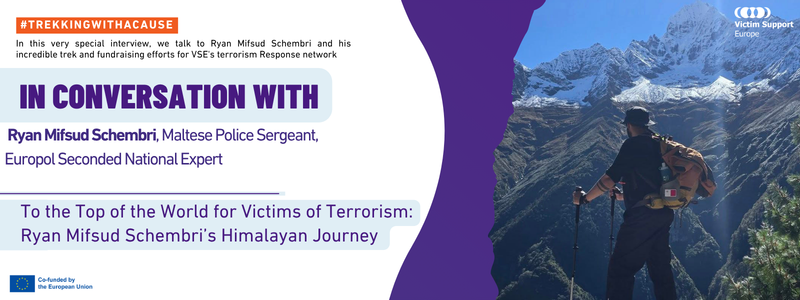
In this interview, Marina Kazakova of Victim Support Europe speaks with Maltese Police Sergeant Ryan Mifsud Schembri about his challenging Himalayan expedition to Everest Base Camp and Kala Patthar. Drawing on his professional experience in counter-terrorism, Ryan shares the motivation behind his journey, which went beyond personal achievement to raise awareness and funds for Victim Support Europe’s Terrorism Response Network. The conversation highlights the importance of solidarity, resilience and ensuring that victims of terrorism are never forgotten.
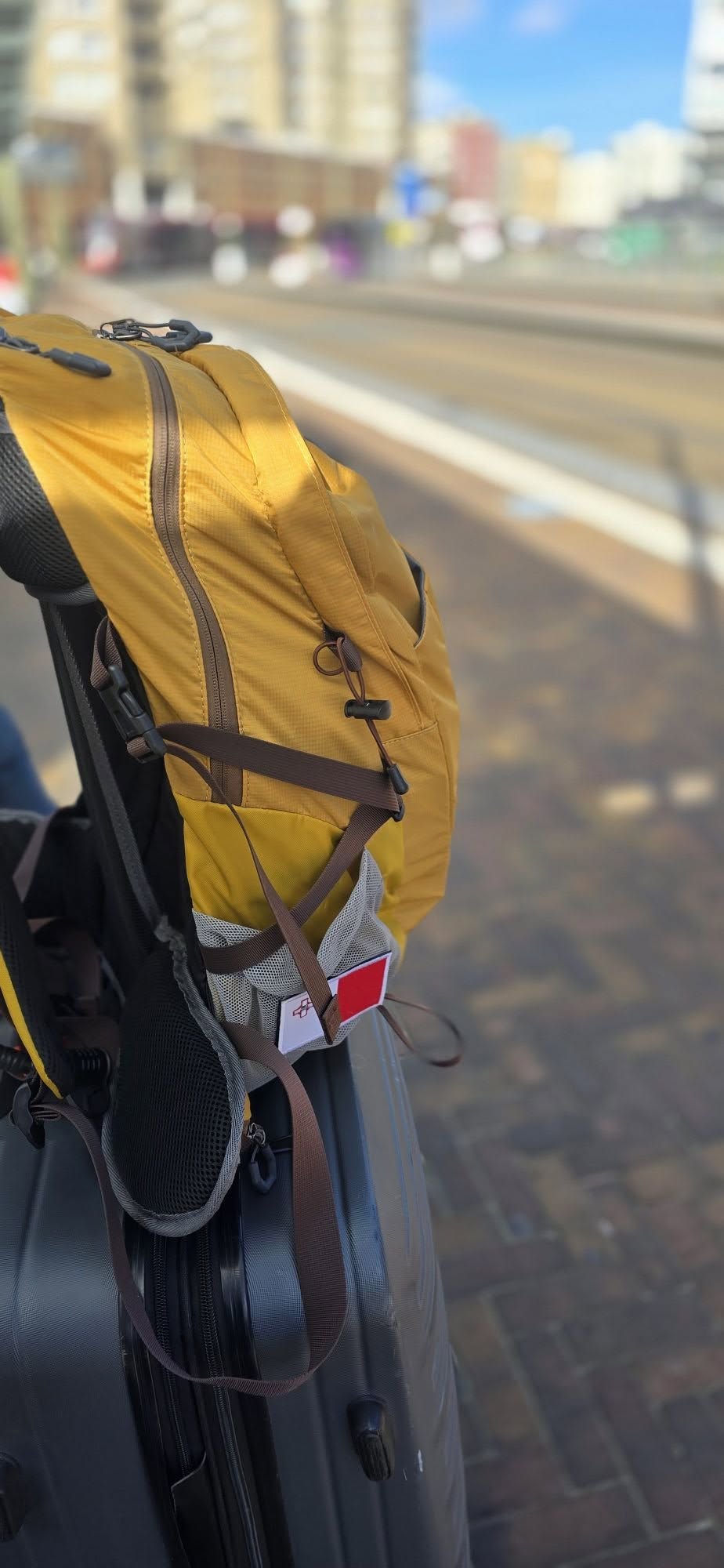
Photo courtesy of: Ryan Mifsud Schembri
The Everest adventure
Marina Kazakova, VSE: Ryan, congratulations on completing your Himalayan expedition! Now that you have reached Everest Base Camp and Kala Patthar, how do you feel looking back on the experience? What was the most memorable moment of the journey?
Ryan Mifsud Schembri: Looking back, I can wholeheartedly say that this was one of the most physically demanding, mentally challenging and yet rewarding experiences of my life.
Throughout my life and professional career, I have faced my fair share of difficult and challenging situations. However, the Himalayas presented an entirely different kind of challenge, one where physical fitness alone was not enough. Determination, mental resilience and the ability to keep pushing forward when your body was telling you otherwise became equally important.
There were countless memorable moments, from my first glimpse of Mount Everest to walking through remote Sherpa villages, witnessing their way of life, and experiencing the breathtaking Himalayan landscape.
However, if I had to choose one moment, it would be standing there, surrounded by some of the highest mountains on Earth, taking a break and absorbing my surroundings. It was a moment of overwhelming satisfaction, pride and gratitude.
Marina Kazakova, VSE: The trek involved eight consecutive days of walking for eight to ten hours a day, at increasingly high altitudes. What was the most challenging part of the expedition, physically or mentally, and how did you overcome it?
Ryan Mifsud Schembri: The greatest challenge was undoubtedly the combination of physical exhaustion, increasingly thin air and the psychological demands of continuously pushing forward.
As we ascended, the reduced level of oxygen became increasingly noticeable. Activities that would normally require little effort suddenly became exhausting.
Each day involved approximately eight to ten hours of trekking and climbing, often across steep, rocky and unstable terrain. There were moments when the energy gained from breakfast and lunch had been completely depleted, leaving me to rely almost entirely on stamina, determination and sheer willpower.
The conditions became even more challenging when we encountered snow approximately three feet deep. At one point, yaks were sent ahead to help create a more accessible track through the snow, allowing us to continue across particularly difficult sections.
But perhaps the greatest challenge was mental. Looking ahead and seeing another steep climb, knowing how exhausted you already were, could be rather intimidating.
My approach was simple: one step after another.
Marina Kazakova, VSE: Was there a particular moment during the trek when you felt like giving up or questioned whether you could make it? What kept you going?
Ryan Mifsud Schembri: One of the most difficult aspects of the trek was that exhaustion was not something you could simply overcome through a short rest. The reduced oxygen, long trekking hours, freezing conditions and accumulated fatigue followed you throughout the journey.
I remember moments when looking at the terrain ahead was almost demoralising. You could see the steep ascent, but not necessarily where it ended.
Nevertheless, giving up was never something I wanted to accept.
Of course, determination should never come at the expense of safety, especially at high altitudes. But whenever the difficulty was exhaustion rather than a genuine medical concern, I reminded myself that progress did not have to be fast.
It simply had to continue, one step at a time.
Marina Kazakova, VSE: You carried the Maltese flag with you during this incredible journey. What did that moment mean to you personally, and what was it like to represent Malta in such a remarkable setting?
Ryan Mifsud Schembri: Carrying the Maltese flag was something very personal to me.
Throughout my professional career, I have had the privilege of representing Malta internationally. However, carrying our national flag through the Himalayas was an entirely different experience.
Malta may be a small country geographically, but I firmly believe that determination, ambition and the willingness to make a difference are not measured by the size of a nation.
Standing at those altitudes, holding the Maltese flag against the extraordinary Himalayan landscape, filled me with a tremendous sense of pride.
For me, the flag represented not only my country, but also the people who encouraged and supported me throughout the journey and the wider humanitarian cause behind the expedition.
It was my own small way of carrying a piece of Malta to one of the most extraordinary places on Earth.
I also hope that the flag itself will continue to tell this story and inspire others long after the expedition has ended.
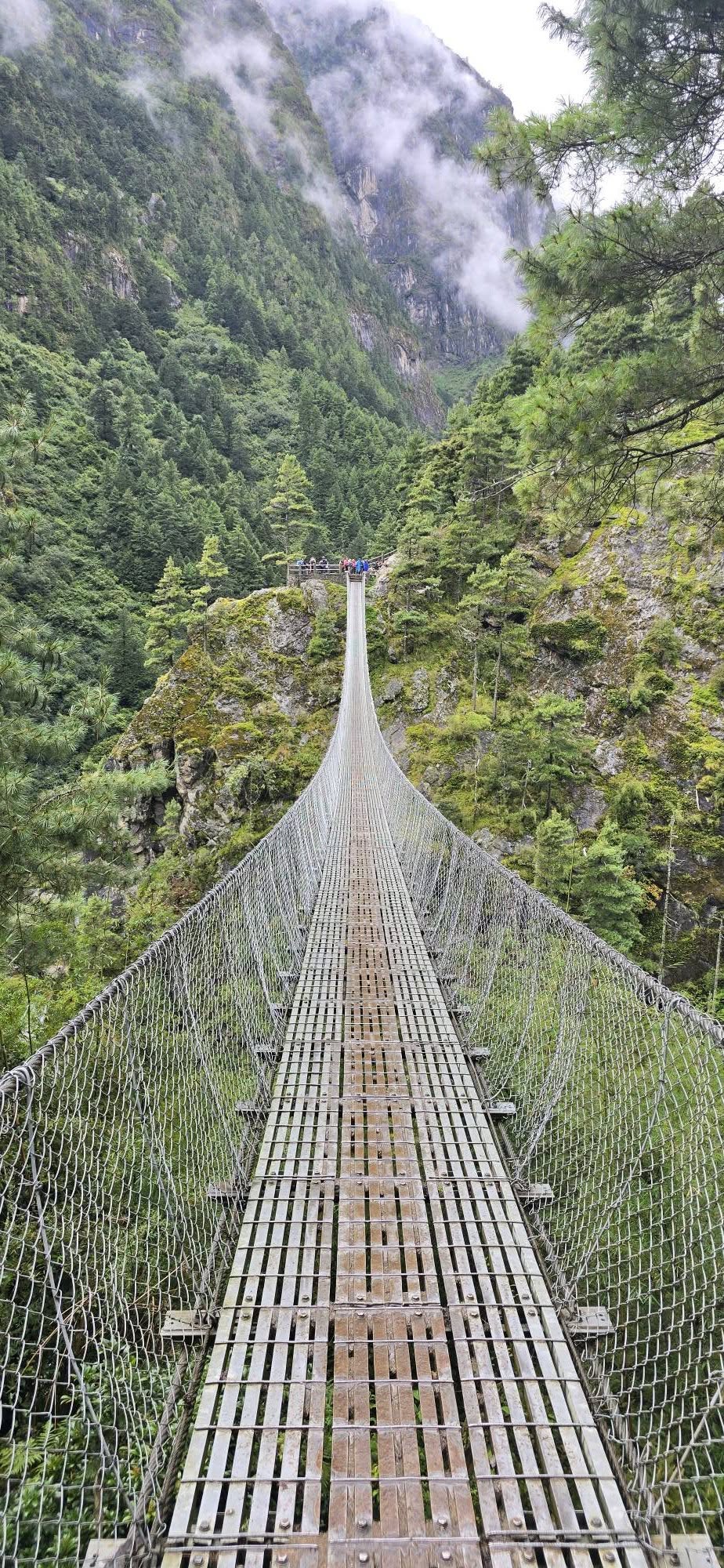
Photo courtesy of: Ryan Mifsud Schembri
Turning a personal challenge into a good cause
Marina Kazakova, VSE: This was more than a personal adventure. You chose to use the expedition to raise funds and awareness for Victim Support Europe’s Terrorism Response Network. What inspired you to connect this challenge with supporting victims of terrorism?
Ryan Mifsud Schembri: The idea developed from combining two very different aspects of my life: my passion for adventure and my professional background.
Much of the work within understandably concentrates on prevention, identification, investigations and the disruption. However, there is another equally important dimension that deserves greater public attention: the victims.
Behind every terrorist attack are individuals, families and communities whose lives may be permanently changed. The consequences extend far beyond the immediate incident and often continue long after the public and media have moved on.
When I began preparing for my Himalayan expedition, I realised that I had an opportunity to transform a personal ambition into something that could benefit others.
That is why I chose to support Victim Support Europe’s Terrorism Response Network.
Although fundraising was one of the objectives, my primary ambition was always to raise awareness, encourage solidarity and remind people that victims of terrorism must never become forgotten statistics.
Marina Kazakova, VSE: Working in the field of counter-terrorism, you have professional experience in understanding the impact of terrorism and the importance of security. Has your professional background influenced the way you view the needs and experiences of victims?
Ryan Mifsud Schembri: Absolutely. My professional background has significantly influenced how I understand terrorism and its consequences.
This work is essential. Preventing attacks and protecting lives must remain a fundamental priority.
However, I believe there is a risk that public discussions about terrorism become overwhelmingly focused on perpetrators rather than the individuals who suffer the consequences of their actions.
Victims’ needs do not necessarily end when an investigation concludes, an offender is prosecuted or media coverage fades away.
My professional experience has reinforced my belief that an effective response to terrorism must extend beyond prevention and prosecution. It must also include meaningful, accessible and sustained assistance to those affected.
Marina Kazakova, VSE: During the trek, you faced difficult terrain, exhaustion and the challenges of high altitude. Did the experience make you reflect differently on resilience, recovery and the challenges people face after experiencing a traumatic event?
Ryan Mifsud Schembri: The expedition certainly reinforced my understanding of resilience, but it also made me reflect on the importance of recognising that resilience takes different forms.
During the trek, there were moments when progress was incredibly slow. Some days required considerably more effort than others, and occasionally the only achievement was finding the strength to continue.
However, I would never directly compare the physical and psychological challenges of a voluntary expedition with the trauma experienced by victims of terrorism. I chose to undertake this adventure. Victims of terrorism do not choose what happens to them, nor the consequences they may have to live with.
Nevertheless, the experience reminded me that progress is not always straightforward or immediate. People face challenges differently, and recovery should never be viewed as a competition or measured against someone else’s expectations.
Marina Kazakova, VSE: Why do you think it is important to keep victims of terrorism in the public conversation, even long after media attention has moved on? What message would you like people to take away from your initiative?
Ryan Mifsud Schembri: One of the unfortunate realities of modern society is how quickly public attention moves from one tragedy to another. Following a terrorist attack, there is understandably widespread media coverage, public condemnation, expressions of solidarity and discussion surrounding the incident. However, as time passes, headlines change, public attention shifts and the victims can gradually disappear from the wider conversation.
For those directly affected, the consequences may continue for years, sometimes for the rest of their lives. The loss of a loved one, physical injuries, psychological trauma and the disruption of everyday life cannot simply be forgotten because an incident is no longer considered newsworthy.
This is precisely why awareness matters.
Through my initiative, I wanted to communicate a relatively simple message: terrorism has no borders, and neither should compassion.
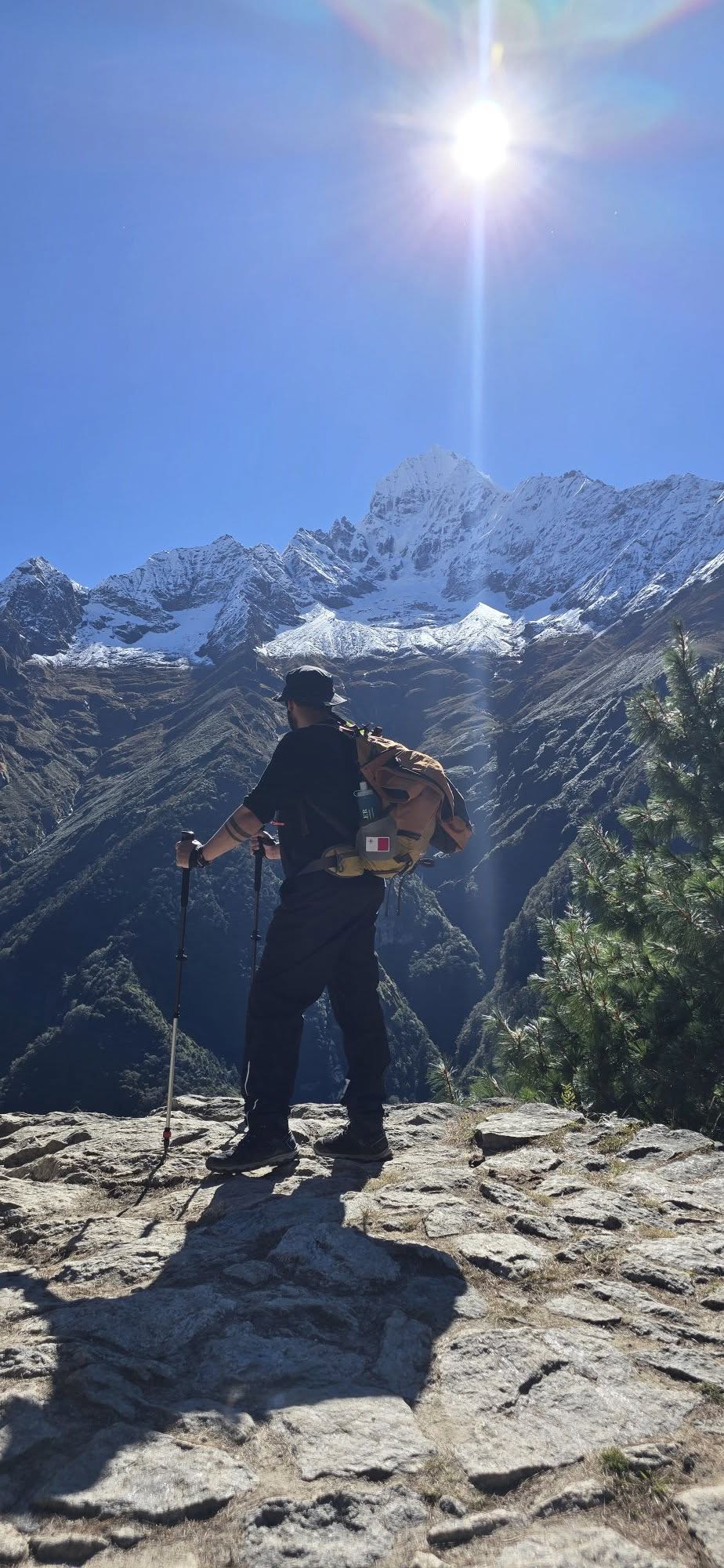
Photo courtesy of: Ryan Mifsud Schembri
The impact and the road ahead
Marina Kazakova, VSE: What does it mean to you personally to know that your expedition can contribute to the work of Victim Support Europe and its Terrorism Response Network?
Ryan Mifsud Schembri: It gives my expedition a much deeper sense of purpose and satisfaction.
Reaching Everest Base Camp and Kala Patthar was undoubtedly a personal achievement. However, knowing that the journey could also contribute towards supporting victims of terrorism makes the experience considerably more meaningful.
Through the initiative, we managed to raise a total of €1,300 in donations. While I am genuinely grateful for every euro contributed, I have always maintained that fundraising was only one part of my objective. My primary ambition was to create awareness. By the conclusion of the initiative, the social media page had generated approximately 37,000 views and 2,500 engagements.
To me, these figures represent something important: the possibility that thousands of people were exposed to discussions about terrorism, its consequences, victims’ rights and the importance of victim support.
I am particularly grateful to everyone who donated, shared my posts, followed the expedition, offered encouragement or helped spread the message, including those within the media who showed interest in the initiative.
And naturally, I am grateful to Victim Support Europe for the important work it undertakes and for the opportunity to support this cause.
Marina Kazakova, VSE: What would you say to someone who wants to support victims of crime but feels that one person cannot make a meaningful difference?
Ryan Mifsud Schembri: I would tell them that meaningful change does not always begin with large organisations, substantial financial resources or extraordinary achievements.
Sometimes it begins with one person deciding to do something.
When I originally planned my Himalayan expedition, I was simply pursuing a personal ambition. I did not have a large fundraising organisation, a dedicated campaign team or any guarantee that people would take an interest.
I had an idea, a cause I believed in and the determination to try.
Of course, one person cannot solve every problem. But one person can raise awareness, start a conversation, encourage others to contribute or inspire someone else to take action. And often, that is how wider positive change begins.
Never underestimate the effect of a small, sincere act of compassion.
Marina Kazakova, VSE: Your initiative is an example of how individuals can collaborate with Victim Support Europe to raise funds and awareness for victims of crime. What advice would you give to others who might want to turn a personal passion, sporting challenge or professional skill into a charitable initiative?
Ryan Mifsud Schembri: My first piece of advice would be to choose a cause that genuinely means something to you. When there is a personal connection to a cause, whether through professional experience, personal circumstances or individual values, the motivation becomes much stronger.
Secondly, do not feel that your initiative needs to be extraordinary or particularly ambitious to be worthwhile. Not everyone needs to trek through the Himalayas, climb mountains or undertake physically demanding expeditions. What matters most is the purpose behind the initiative and the commitment to seeing it through.
I would also strongly encourage individuals to engage with established organisations, such as Victim Support Europe, to ensure that their efforts support genuine needs and communicate accurate, responsible information. Transparency is equally important, particularly when collecting donations or representing a charitable cause.
And finally, do not measure success exclusively in financial terms. Awareness, engagement, education and the conversations generated by an initiative can be valuable achievements in their own right.
Marina Kazakova, VSE: Finally, now that you have returned from the Himalayas, what is the biggest lesson you will take away from this adventure?
Ryan Mifsud Schembri: The Himalayas taught me several lessons, but perhaps the most important was gaining a renewed appreciation of determination, perspective and the things we often take for granted. It was an extraordinary reminder of how dependent we are on things we rarely stop to appreciate.
Witnessing the lives of local Sherpa communities in some of the remote mountain settlements and their adaptability and resourcefulness made me reflect on just how accustomed we have become to comfort, convenience and material possessions.
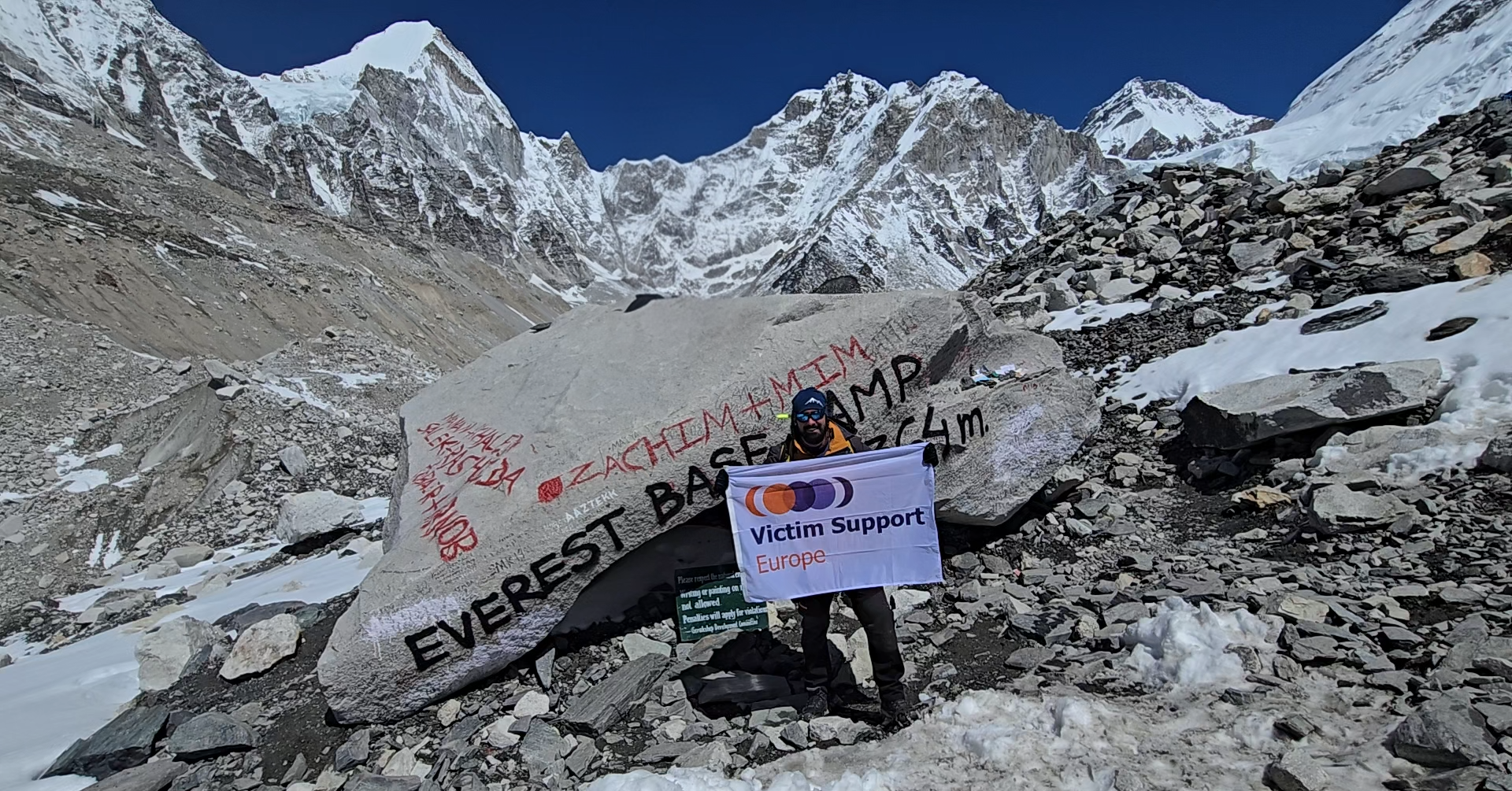
Photo courtesy of: Ryan Mifsud Schembri
