Read more
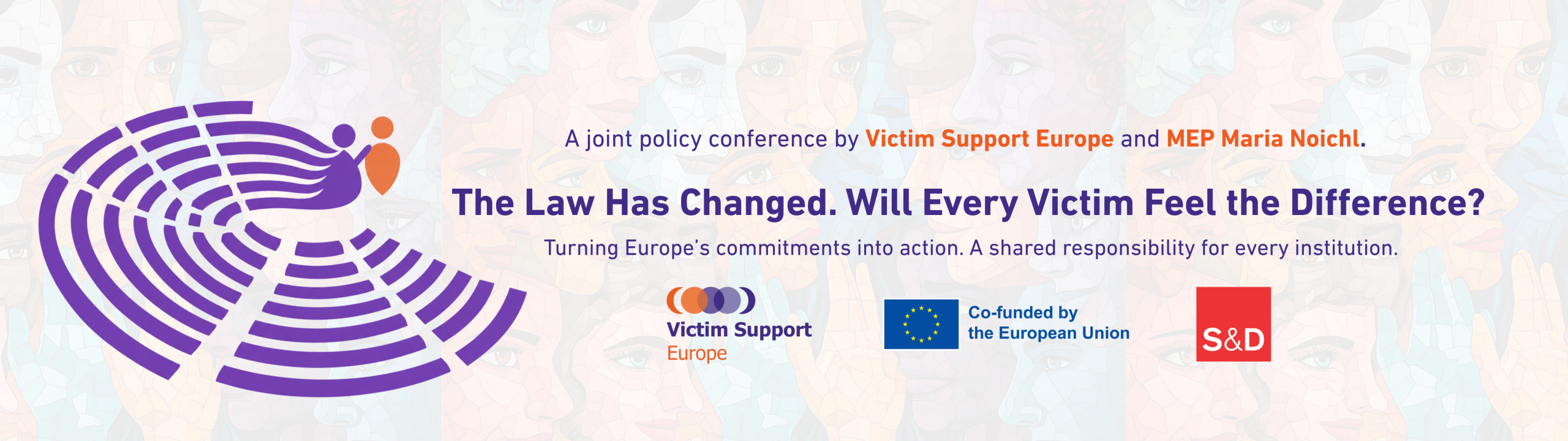
Victims’ rights must be a foundation for all, regardless of who a victim is, where they live or the crime they have experienced. Ensuring that rights are meaningful in practice requires, above all, sustained political commitment, effective implementation at national level, and adequately resourced frameworks for comprehensive victim support. It also calls for recognition that crime cannot be addressed in isolation, but instead necessitates a collective commitment across society, beyond individual institutions, areas of responsibility and/or political groups. The event will bring together Members of the European Parliament, policymakers, frontline practitioners and, most importantly, victims themselves through the VSE Victims Advocate Platform. Building on the momentum of recent EU policy developments, the discussions will delve into the persistent gaps between legislative ambition and victims’ everyday experiences. Discussions will focus on the challenges victims continue to face and on how Member States can invest in stronger, more accessible services for all victims, regardless of who they are or the crime they have experienced. Lessons from successful initiatives, including the Technical Support Instrument (TSI), will be further used to demonstrate what is possible when the right cooperation is in place.
The European Parliament has a vital role to play in turning these commitments into action; from raising awareness about victims’ rights to championing their sustained prominence on both the European and national political agendas. The event will aim to foster reflection on how to best address implementation gaps, be it by drawing on the economic costs of crime (i.e. VSE cost-benefit analysis) or by building on well-functioning existing initiatives such as the European 116 006 victim support helpline. All victims deserve equal access to their rights. Victim support is democracy in action: it serves the public by ensuring that victims are treated with dignity, their voices are heard, and their rights are upheld. When individuals can trust the institutions that serve them, we build stronger, fairer and more resilient societies. Turning this vision into reality requires a shared commitment to action. The question is how we can work together to ensure that no victim is left behind.