Patrycja Kowalczyk
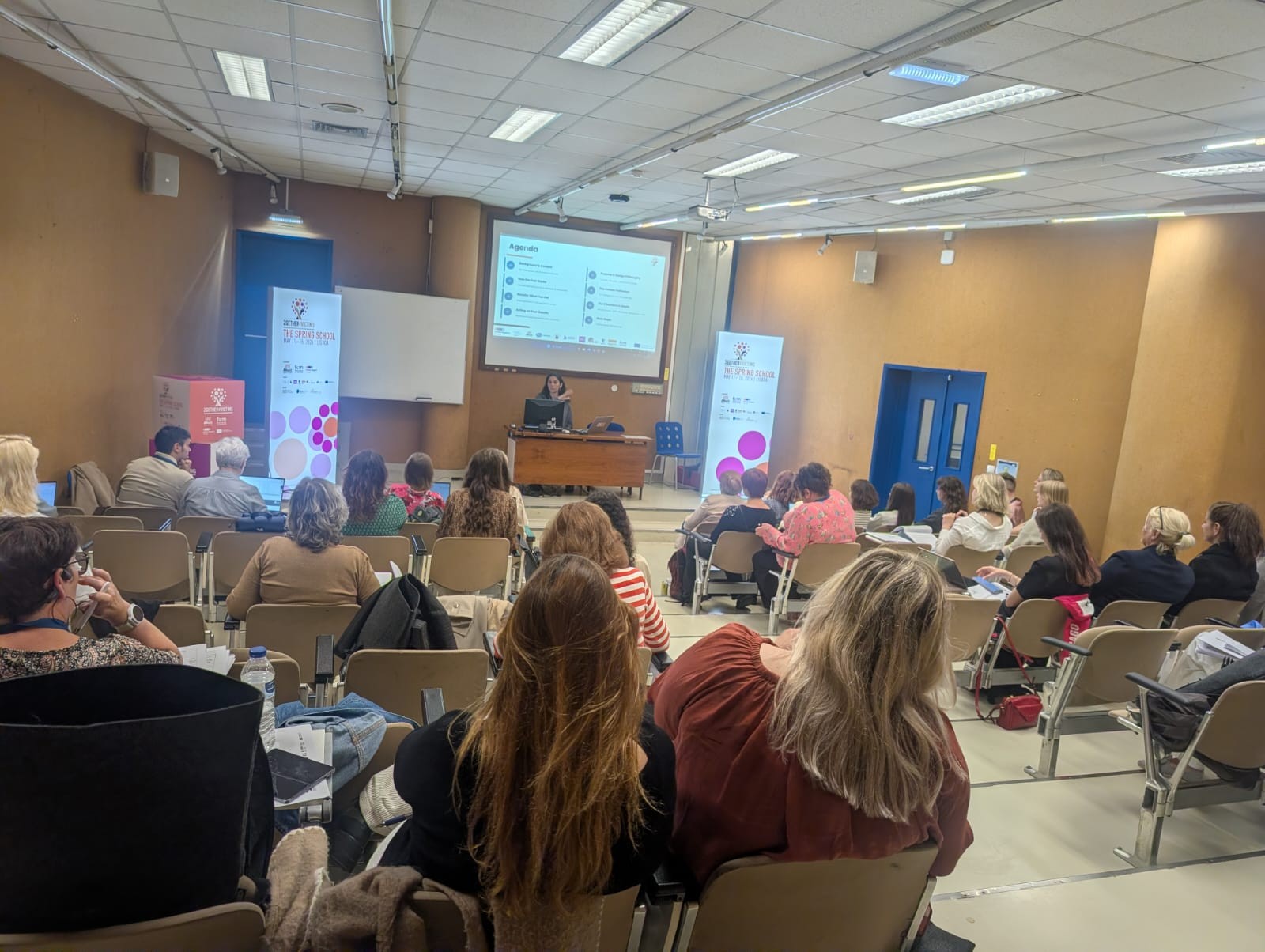
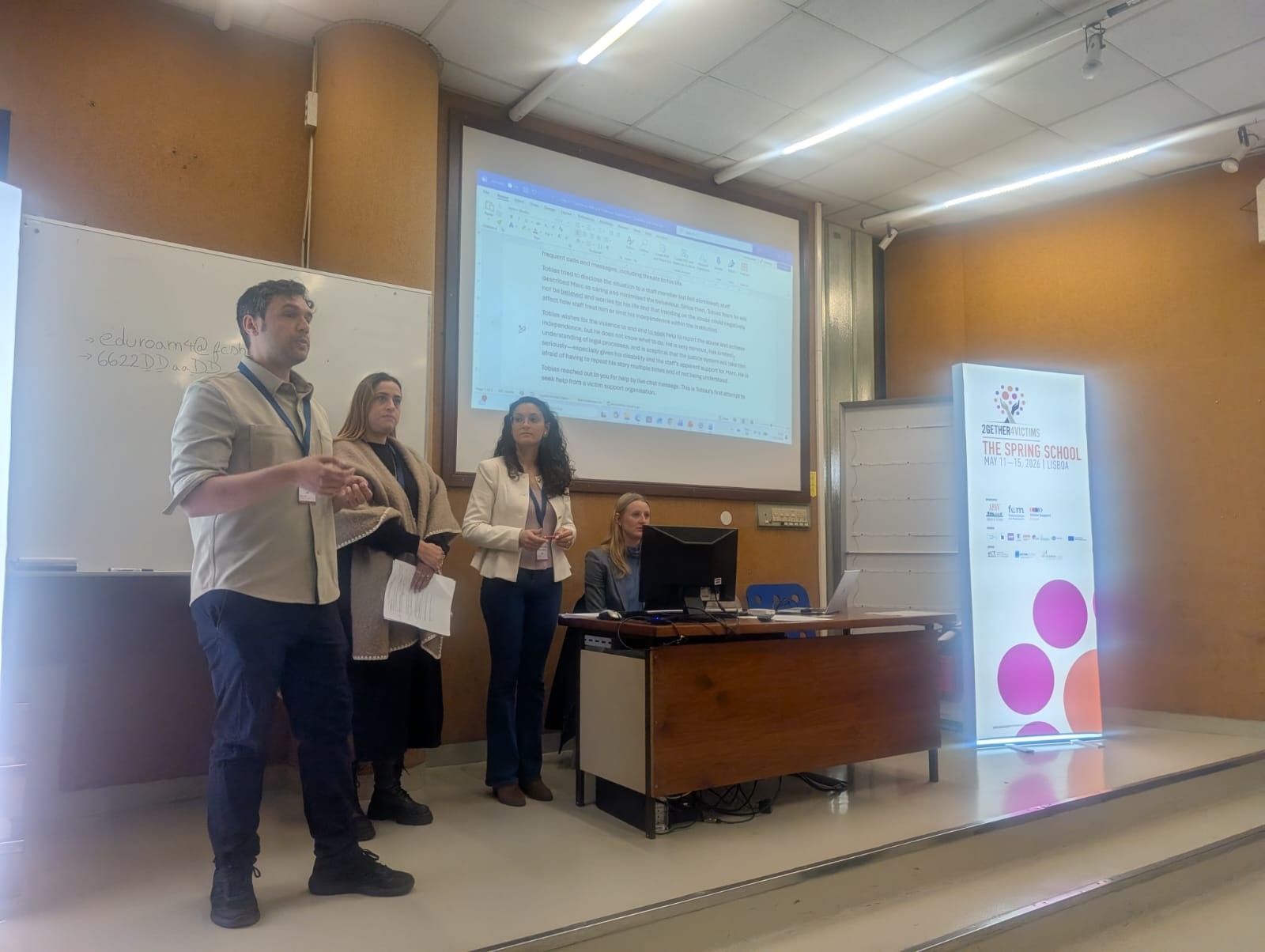
Between 11 and 15 May, over 50 participants attended a unique training event organised as part of project 2Gether4Victims – the Spring School. The event took place in Lisbon, Portugal and was organised by Victim Support Europe, the Portuguese Association for Victim Support (APAV), and Feministas Em Movimento (FEM), in collaboration with other project partners, and with the kind support of NOVA University Lisbon that hosted the training at its campus.
Participants included representatives of 10 organisations that are members of the 2Gether4Victims consortium, as well as 11 external organisations who were recently contracted to implement project activities, in particular – to pilot the project tools within their organisations. In total, participants represented 13 European countries (Belgium, Cyprus, Croatia, France, Germany, Ireland, Kosovo, Lithuania, Malta, the Netherlands, Portugal, Serbia, Ukraine).
The primary objective of the event was to provide comprehensive training to participants on the practical implementation of tools developed by the project – the Individual Needs Assessment (INA) and the Organisational Self-Assessment (OSA).
The purpose of the INA training was to enable experienced frontline professionals to confidently apply the tool in real-life contexts, using a victim-centred, trauma-informed, gender-sensitive approach, and to adapt it pragmatically to their organisational reality.
The purpose of the OSA training was to provide frontline support workers with the necessary tools, guidelines, and resources to efficiently support victims of gender-based violence. The tool is a questionnaire about the existence of specific policies, practices or infrastructures within the organisation. During the training, participants had the chance to design practical action plans, based on the OSA questionnaire, helping organisations identify components of an ideal support service and the steps necessary to implement them.
Both trainings looked into the intersectional components of support by exploring topics such as what does intersectional support looks like, what are the intersectional needs of victims, and how to design intersectional organisational policies for victim support services.
Throughout the five days, learning was structured around interactive reflection and exchange of experiences, enabling participants to compare approaches across countries, sectors, and organisational models. Key concepts, standards, and tools were introduced after this reflective phase, allowing participants to situate them within their own professional reality and to better understand their added value.
The event was a unique opportunity for professionals to learn from each other, exchange the best practices and challenges observed within their organisations/countries, and gain comprehensive knowledge about the project tools. Organisations will now begin the next step of their involvement in the 2Gether4Victims project by practically implementing the INA and OSA tool into their daily work, with the guidance and support of project partners.