
From Metaphor to Impact: LUCA Students and Victim Support Europe Explore Online Harm Through Game Design
The LUCA / REPLAY exchange day took place as part of a growing collaboration between Victim Support Europe and LUCA School of Arts, bringing together game students, policy experts, and victim support practitioners to explore how creative game design can help make sense of online harm and the experiences of victims in more human and accessible ways.
The exchange day itself was rich in outcomes. In just one month, students developed creative and thoughtful prototypes, with the guidance from Olivia Ji (researcher) and Kasper Adriaensen (Production). Their work showed consistent engagement with the topic from start to finish.
A key design rule was to work through metaphor. This shaped the projects in unexpected ways. Several teams used plant-based metaphors to explore online harm and platform dynamics. The result was a set of games that translated complex digital issues into accessible, playable experiences.
Olivia Ji, PhD researcher and collaborator of the project, explains:
”By asking students to work through metaphor, students were able to approach online harm with distance and care, while still expressing its emotional and systemic reality. What stood out most was how often they centred the victim’s perspective — not as an abstract idea, but as a lived experience embedded in design choices. That is where critical awareness begins.
Olivia JiPhD researcher and collaborator
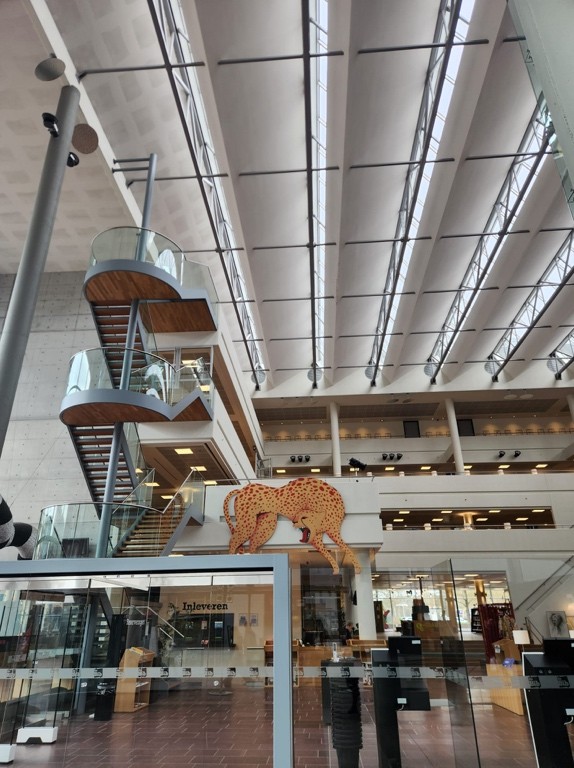
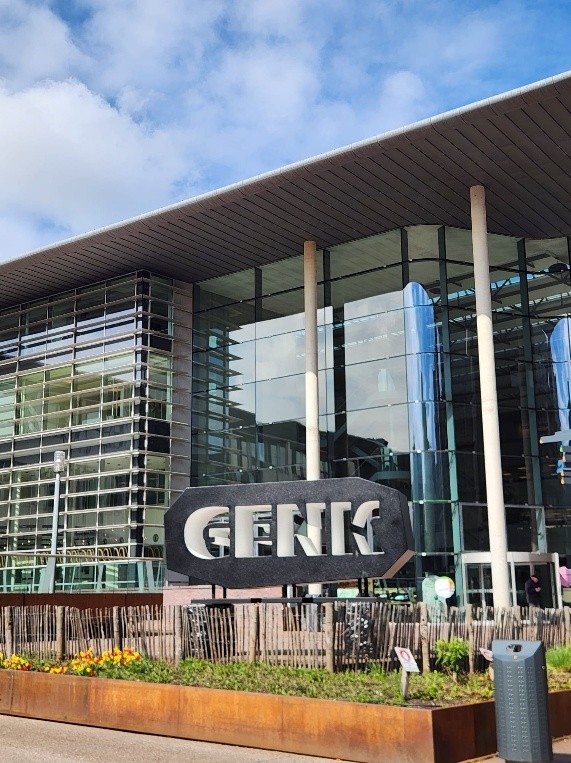
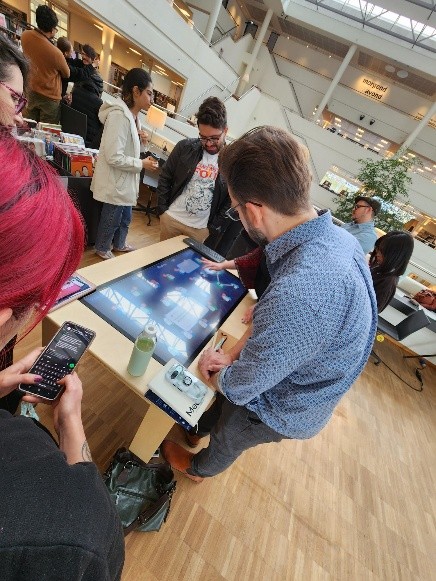
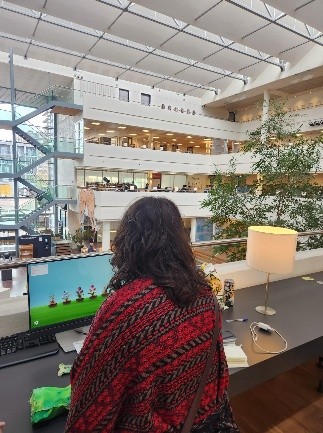
All prototypes were showcased at the Genk Library. The space allowed visitors to test the games in the morning. In the afternoon, students presented their work.
The discussions that followed were central to the day. They focused on how each game represented the victim’s perspective. This reflected the core aim of the collaboration: stronger student engagement and deeper awareness of online harm as a growing social issue.
Victim Support Europe also highlighted the broader value of such partnerships.
Patricia Pazos, Senior Project and Training officer at Victim Support Europe, said:
”Victim Support Europe is increasingly taking a strategic approach to partnering with universities such as LUCA School of Arts. Through these collaborations, we aim to co-create innovation that translates research and student creativity into real-world change for victims of crime. We also aim to advance public understanding of victims’ rights and improve how these issues are communicated and experienced in society.
Patricia PazosSenior Project and Training Officer, Victim Support Europe
The students presented 5 prototypes:
1. Play Like a Triangle
Students: Anastasiia Pershyna, Angela Wu, Talha Ahmed, Noorulain Zafar
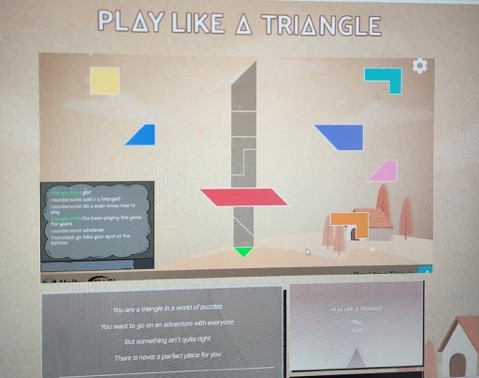
This prototype, Play Like A Triangle, explores misogyny in gaming communities and the pressure many women feel to hide or reshape who they are in order to be accepted. Rather than directly reproducing harassment, the students chose a more symbolic approach: through shapes of a tangram set, players experience exclusion, bias and the constant need to adapt. The project is aimed at showing how hate can spread quickly in game chat.
2. RageBite – Don’t Fall for the Bait
Students: Conor Mulgrew, Henrique Moraes, Nathaly Kalantar, Pauline Scherer
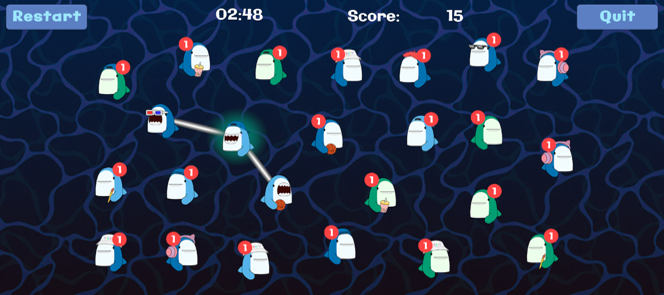
RageBite focuses on the manosphere / incel pipeline and the way loneliness and rejection can make young people vulnerable to toxic online communities. The game uses a network of cartoon sharks to show how harmful influencers can quietly pull people in, while strong social connections can protect them. What I found especially interesting is that the group avoided a purely accusatory approach and instead focused on prevention, empathy and community-building. The game is designed for teenagers and can be played on mobile, touchscreen or PC.
3. That’s Not Me
Students: Ali Nurievi, Farhan Rashid, Maria José Vargas Romero, Olzhas Amanzhol, Osman Gelmez
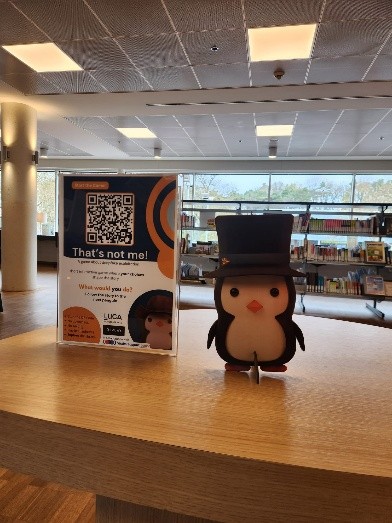
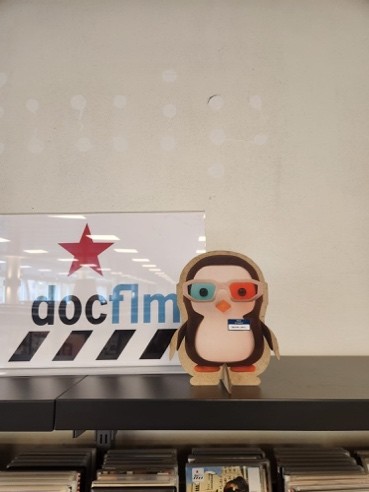
That’s Not Me deals with deepfakes and digital harm, but from the perspective of the bystander rather than the victim or perpetrator. Players move through the library by scanning QR codes and interacting with penguin characters, making choices that shape the story. The team wanted to address a very sensitive issue without making it visually explicit, so they built the whole experience around a safe and symbolic universe. The game invites players to reflect on sharing, responsibility, and the fact that sometimes choosing not to engage is the most meaningful response.
4. The Strangleweed
Students: Lucia Tang Ya, Syed Murtaza Imran Bukhari, Tomas De Amaral Proenca Franco, Yulia Krasova
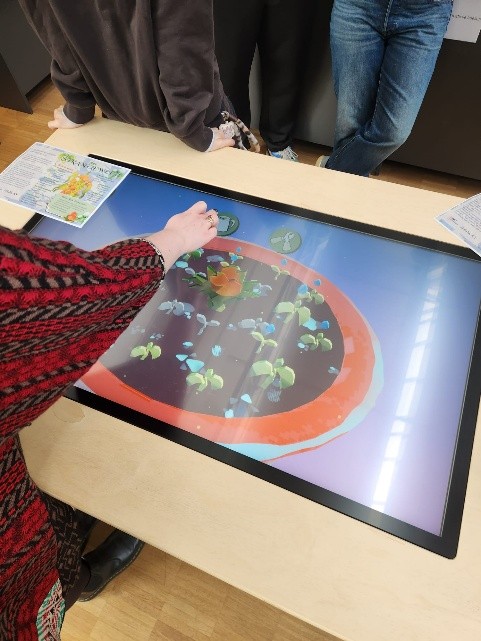
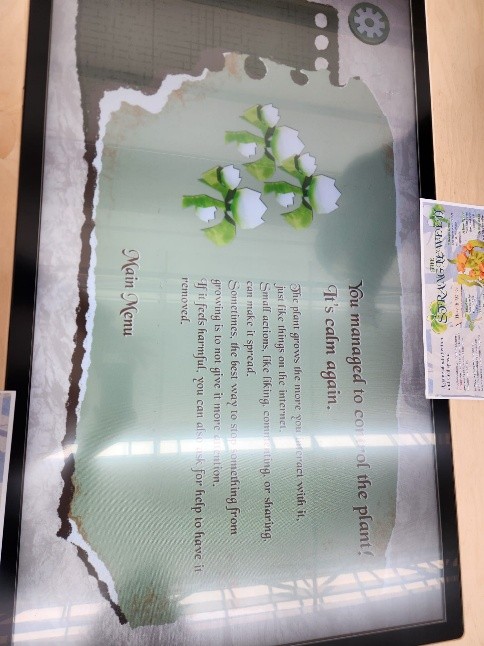
The Strangleweed is a very elegant metaphor for virality, online attention and harassment. The idea is simple but strong: one plant begins to grow out of control, and the more attention it receives, the more it spreads. The message is clear — systems respond to interaction, not intention, and even well-meant engagement can fuel harm. It is a thoughtful prototype that speaks directly to social media culture and the way collective behaviour can amplify harassment.
5. This Broken Garden
Students: Maria Karra, Sirui Dong, Helena Mongim, Dalia Safar
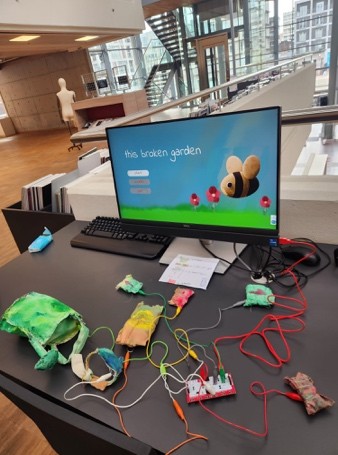
This prototype, This Broken Garden, takes a more systemic angle and looks at the role of the “big company”, the platform design and profit-driven engagement. In the game, players act as a frog gardener working for a big company, choosing between “good” but less profitable content and harmful but highly profitable content. The metaphor is playful and helps understand that social media platforms often reward harmful content because it generates attention and profit. The team experimented with physical interaction as well, including plushies and Makey Makey elements, which gave the project a strong public-play dimension.
Looking Ahead: Tech4Victims
This exchange day also reflects the growing collaboration in Genk between creative practice, education, and technology in addressing social challenges. Building on this momentum, participating students have been invited to present their prototypes at Tech4Victims 2026. This innovative event will take place on November 20th 2026 at C-Mine, Genk, bringing together practitioners, policymakers, researchers, and technology developers to explore how innovation can improve victim support, strengthen digital safety, and raise awareness of victims’ needs.
Opportunities are open for organisations and individuals to present their solutions, exhibit their work, or take part in the event.
For questions regarding this event, please contact Angelica Vieira, Networks and Partnership Intern, at vse.intern1@victimsupporteurope.eu.
