The BRIDGE project has entered a more intense research and implementation phase and is advancing efforts to make victim support systems in Latvia and Lithuania more effective through stronger multi-agency cooperation. Stakeholder engagement therefore remains central to this work. Recent meetings have informed the next steps in the development of tools and a blueprint for an ideal victim support system model, as well as cross-country learning.
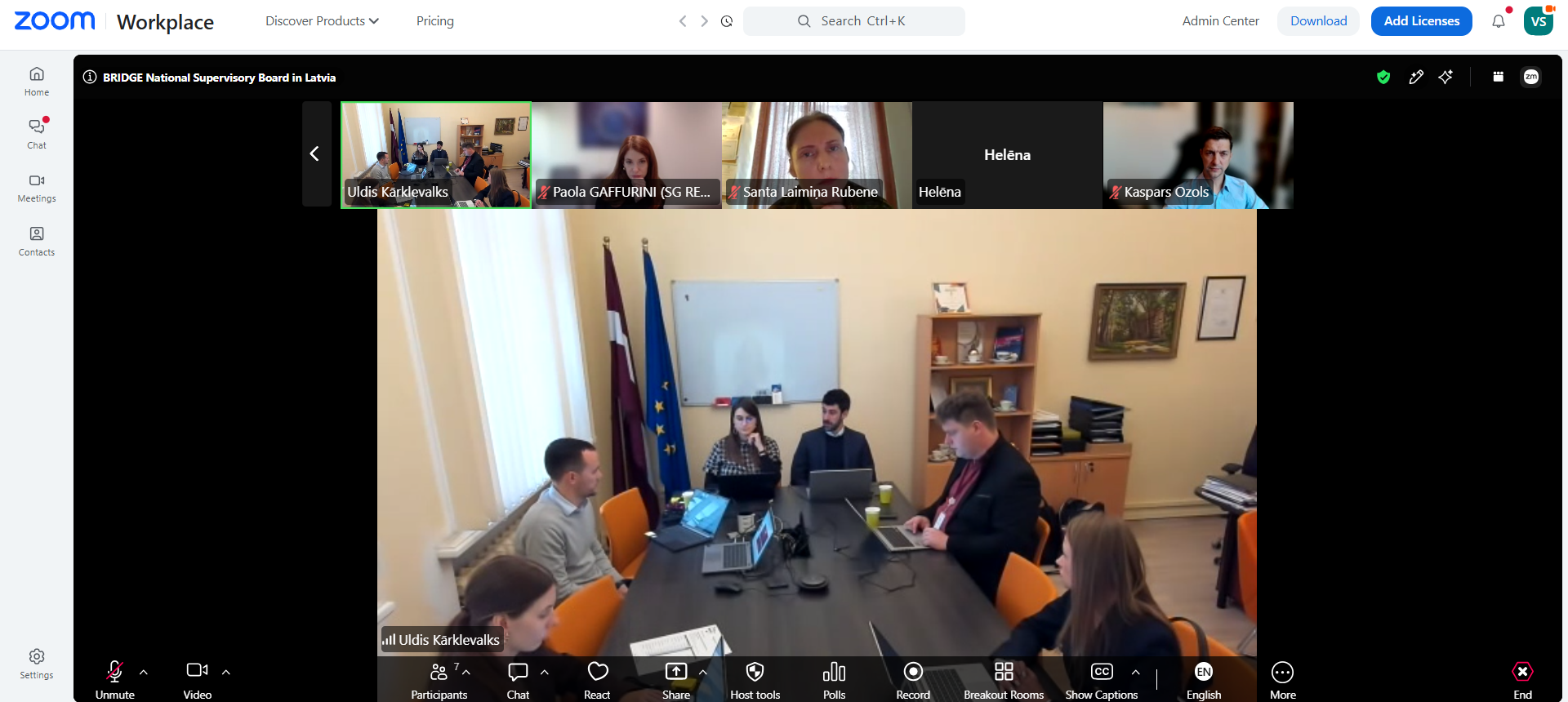
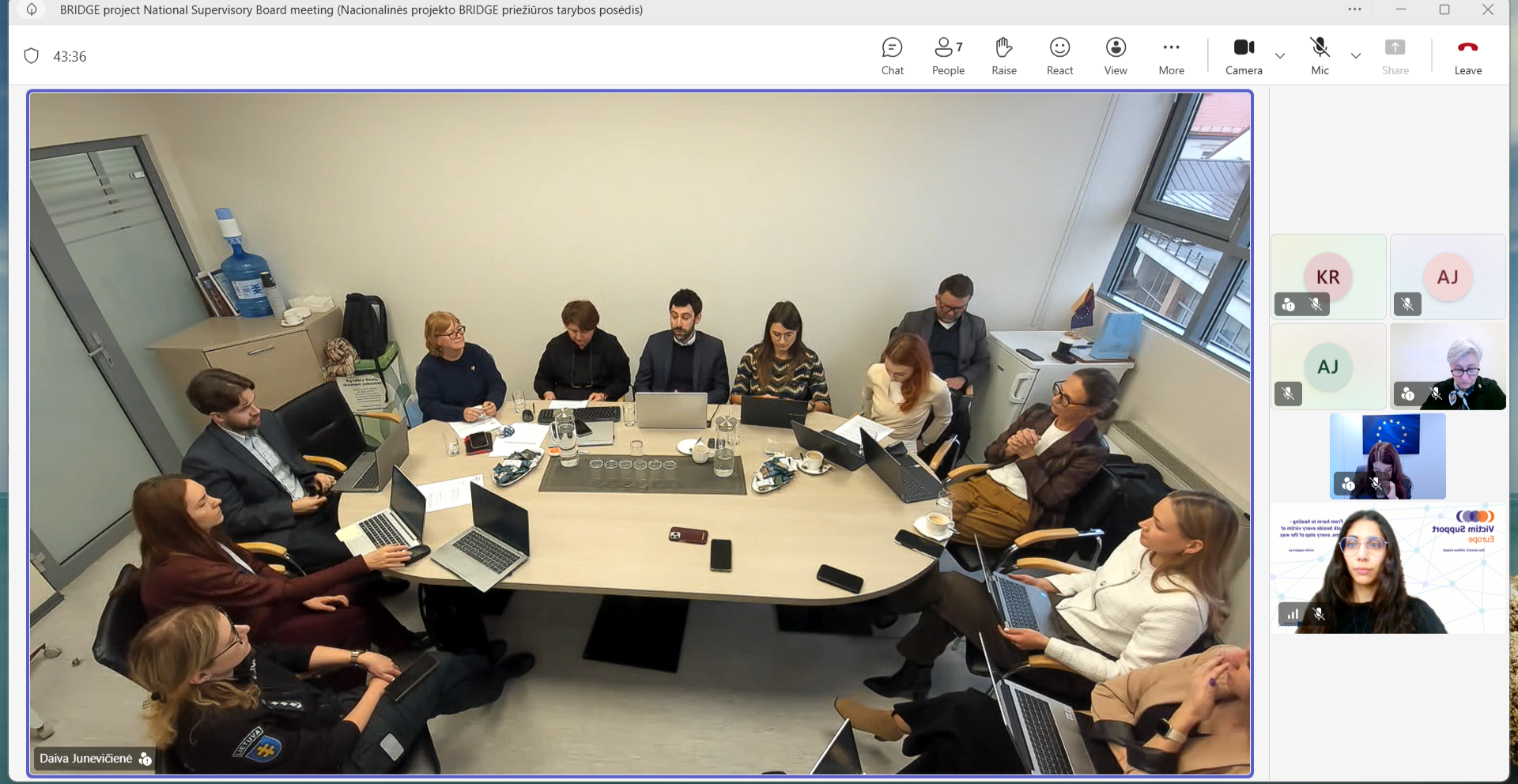
On 14 and 15 October 2026, the second sessions of the National Supervisory Boards (NSBs) were held in Latvia and Lithuania. During these meetings, the BRIDGE Country Teams presented the key results from the Community Needs Assessment Reports. These findings will be shared more widely in upcoming articles on the project website.
Participants also took part in guided discussions, offering valuable input on national priorities for strengthening victim support. These insights will directly inform the next project phases, focusing on the development of practical tools and the national blueprint to improve support services for victims across both countries.
On 28 October, the second meeting of the International Executive Committee brought together stakeholders from Latvia and Lithuania to compare and analyse findings from both countries. Cross-border exchange has been a priority since the project’s launch and was specifically encouraged during the initial kick-off meetings. The committee’s work helps ensure that solutions developed under BRIDGE are grounded in evidence and tailored to each country’s context, while also benefiting from shared learning.
A study visit to explore victim support practices in Belgium is scheduled for 17-19 November. The event is being co-organised with IMPACT, another Technical Support Instrument (TSI) project led by VSE, and is expected to bring together around 30 participants from several countries. The visit will offer attendees an opportunity to observe best practices firsthand and identify approaches that could be adapted to the Latvian and Lithuanian contexts. Representatives from both projects will be able to learn more about the work of the Centre for General Welfare (CAW), the Family Justice Centre, and the Sexual Assault Centre in Ghent, and to gain an insight into the workings of the Commission for financial aid for victims of intentional acts of violence. Participants will also attend the Tech4Victims event, which explores how technology and innovation can transform the victim experience from start to finish.